
If you’re taking escitalopram, whose brand name is Lexapro, you’ve probably seen its warning label against alcohol, or maybe your doctor mentioned it briefly.
Most people end up asking the same question: Can I drink alcohol while I’m on escitalopram?
The answer isn’t a definitive yes or no. Like the case with many meds, it depends on the person, dosage, and why you’re on Lexapro.
In this article, we’ll break down what escitalopram does and how alcohol consumption affects it.
What Is Escitalopram?
Escitalopram is a selective serotonin reuptake inhibitor, or SSRI. It’s commonly prescribed for mental health disorders like major depressive disorder, generalized anxiety disorder, and other mental health conditions.

In simple terms, escitalopram helps increase the serotonin levels in the brain. Serotonin is responsible for mood, emotional regulation, sleep, and anxiety.
By keeping more serotonin active between brain cells, escitalopram can gradually reduce symptoms like persistent sadness, racing thoughts, irritability, and constant worry.
It’s not a fast fix. Most people don’t feel the full effects of escitalopram for several weeks. And it doesn’t “change your personality” or numb emotions when dosed correctly. It’s meant to stabilize the emotions rather than suppress them, easing the symptoms of depression.
How Alcohol Affects the Brain on Its Own
To understand why mixing with escitalopram might be problematic, we first have to understand the effects of alcohol on the brain on its own.
It’s a common misbelief that alcohol is relaxing and mood-lifting when, in reality, it’s a depressant. It slows down the central nervous system, which affects coordination and reaction time. It also increases blood pressure, potentially causing more health issues.
In short-term use, alcohol will lower inhibitions, increase impulsivity, disrupt sleep patterns, and even cause emotional swings. Meanwhile, in the long term, alcohol use disorder can worsen anxiety and depression, changing how the brain regulates mood chemicals, like serotonin.
This is where it gets interesting because both alcohol and escitalopram act on overlapping systems in the brain, but not in the same way.
What Happens When You Mix Escitalopram With Alcohol
Consuming alcohol while on escitalopram can worsen the side effects of both, and it may cause the medication to be less effective. Here’s a breakdown of what happens when combining them:

Worse Side Effects
Escitalopram commonly causes dizziness, nausea, trouble concentrating, and, in some cases, drowsiness. That’s especially during the first few weeks of using it until the brain gets accustomed to the new levels of serotonin and starts reducing symptoms of anxiety.
Alcohol can worsen all of these side effects, so even a single drink or two can hit harder than expected. People who consume alcohol while on the medication will usually report feeling sleepy and unsteady.
Reduced Efficiency of the Medication
While escitalopram is used to treat depressive symptoms, anxiety, disrupted emotional stability, and bad sleep, alcohol works against all these.
Though it doesn’t cancel out escitalopram, it causes all the side effects the meds are trying to reduce. So, it can undermine your treatment progress, especially when consumed in high doses.
Mood Swings
A lot of medicines used to treat mood disorders may cause mood swings, and escitalopram is no different. The thing is, alcohol intensifies these emotional effects, especially when consumed in moderate or high doses.
Many people who consume both report feeling more irritable the next day, or even more emotional. That’s because alcohol affects emotional regulation, and SSRIs change how emotions are processed.
Together, they can lead to mood swings or exaggerated emotional responses.
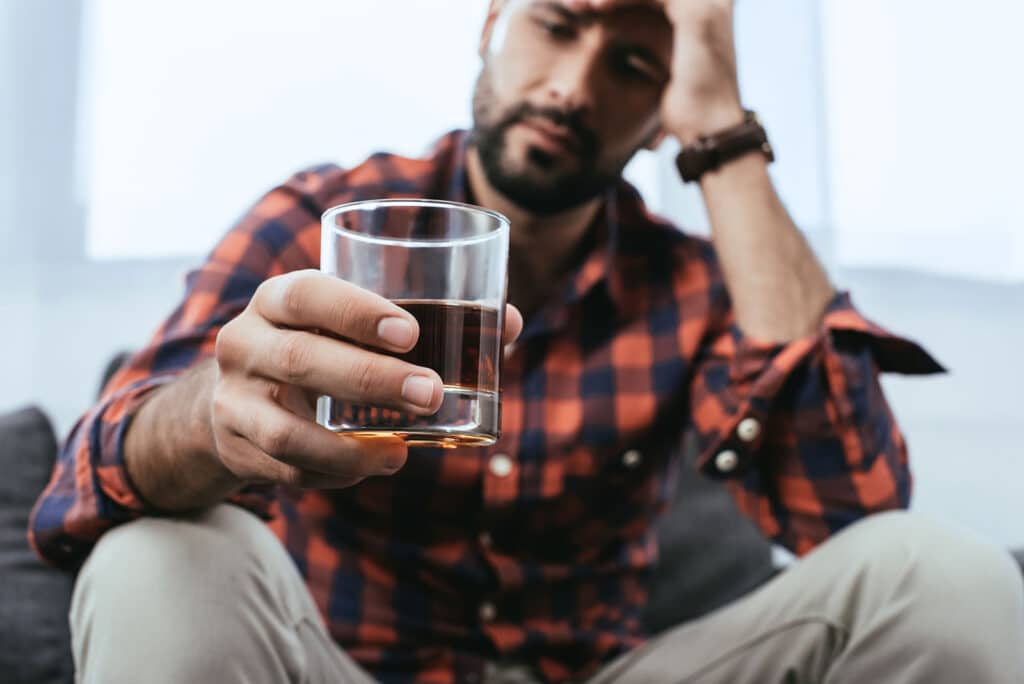
Is It Okay to Have an Occasional Drink While on Escitalopram?
If alcohol can heavily interact with escitalopram in longer-term use, is the occasional drink okay?
The truth is, doctors often recommend avoiding alcohol entirely while on meds, especially during the first few weeks of treatment.
That way, you can correctly assess the side effects of the medication without adding alcohol into the mix. On top of that, you can avoid having worse side effects due to mixing both of them.
Whether you can have an occasional drink or not depends on many factors, including:
- Your personal history with alcohol
- The dosage of escitalopram you’re on
- Whether you have any underlying mental health symptoms
- How long you’ve been taking escitalopram
When Mixing Escitalopram and Alcohol Becomes Dangerous
Mixing escitalopram and alcohol increases side effects and may make you moody, but it shouldn’t be dangerous. However, in some cases, it is. Here’s when mixing escitalopram and alcohol becomes risky for your health:
Heavy or Frequent Alcohol Use
Regularly drinking alcohol for a long time changes brain chemistry. It can undermine the progress of antidepressants and make it seem like they’re not working, when in fact, alcohol is interfering with their benefits.
For depression patients who heavily consume alcohol, a significant improvement usually occurs when alcohol is reduced or cut off altogether.
Using Alcohol to Cope
If a depression or anxiety patient is drinking to manage the symptoms or numb emotions, mixing alcohol with escitalopram will create a cycle where neither works well. It may eventually lead to substance use disorder.
The meds will struggle to stabilize the mood and regulate the emotions, while alcohol will worsen the very symptoms that are being treated.
This pattern is more common in people with high-functioning anxiety, where they need something to numb the feeling of being constantly worried.
Having Suicidial Thoughts
Alcohol is notorious for increasing impulsivity, so anyone suffering from suicidal thoughts for any reason should refrain from consuming it.
For someone experiencing depression with suicidal thoughts, combining alcohol with escitalopram can be dangerous. The meds won’t be effective, and the alcohol may make acting on these thoughts more likely. So, it’s better to stay off alcohol altogether while on escitalopram.

Does Escitalopram Increase Alcohol Sensitivity?
Many people report that alcohol hits harder while on escitalopram or other SSRIs, but this doesn’t mean that it happens to everyone.
The truth is, most antidepressants decrease your alcohol tolerance, making you feel the effects more intensely. A lot of studies have been done on this, but most of them don’t pinpoint the exact reason this happens.
However, consuming escitalopram is reported to make you get intoxicated faster and be less in control than usual. Of course, this increases the risk of accidents, impulsive reactions, and even over-consumption.
Do You Have to Quit Alcohol With Long-Term Escitalopram Use?
If escitalopram is part of long-term mental health treatment, ongoing alcohol use may be advised against. Here are some questions that may help your healthcare provider decide if you should stay off alcohol altogether:
- Does drinking make your anxiety or mood worse afterward?
- Do you rely on alcohol to feel “normal” or relaxed?
- Are you avoiding social situations unless alcohol is involved?
- Have you noticed changes in sleep, motivation, or emotional stability?
These questions aren’t about labels or diagnoses. They’re about whether alcohol is helping or quietly hurting your mental health. It’s important to be honest when talking to your healthcare professional to make sure your treatment won’t be compromised.
Many people minimize alcohol use when talking to doctors, and it’s understandable, but it can lead to less effective treatment.
Doctors don’t need perfection. All they need is accurate information. Being honest about drinking habits helps them adjust medication dosage and monitor side effects. It may also help them identify dangerous interactions and offer better support.
When You Need Support
If you’re taking escitalopram and struggling with alcohol use, you’re not alone. Many people on Long Island and elsewhere seek help because they want to feel better than “just okay.” It doesn’t need to feel like everything is falling apart to seek help. It can actually be quite useful to get support early, so your treatment can remain uncompromised.

Treatment doesn’t always mean inpatient rehab. It can involve:
- Outpatient counseling
- Medication management
- Mental health and substance use treatment together
- Support groups or structured therapy
At Long Island Interventions, we offer all kinds of therapy, and our team of expert doctors will help you determine the best course of action depending on your case.
Even one or two cognitive behavioral therapy sessions or support groups per week can help you adjust your alcohol use and gain more benefits from the meds you’re taking.
The Takeaway
The bottom line is that escitalopram and alcohol don’t mix well, and not because of a dramatic interaction. It’s because they essentially pull the brain in opposite directions. Escitalopram is trying to fix things that alcohol is actively trying to ruin.
For some people, an occasional drink may not cause immediate harm, but for others, even small amounts can compromise their treatment plan.
If you’re on escitalopram, alcohol shouldn’t be on your menu. You want to give the medication the best chance to do what it’s meant to do, and alcohol may interfere with that.
If you’re struggling with that, help is always a phone call away, and there’s always a treatment program for you!
Written by: The Garden State Treatment Center Editorial Team
Published on: December 29, 2025
Updated on: December 31, 2025