
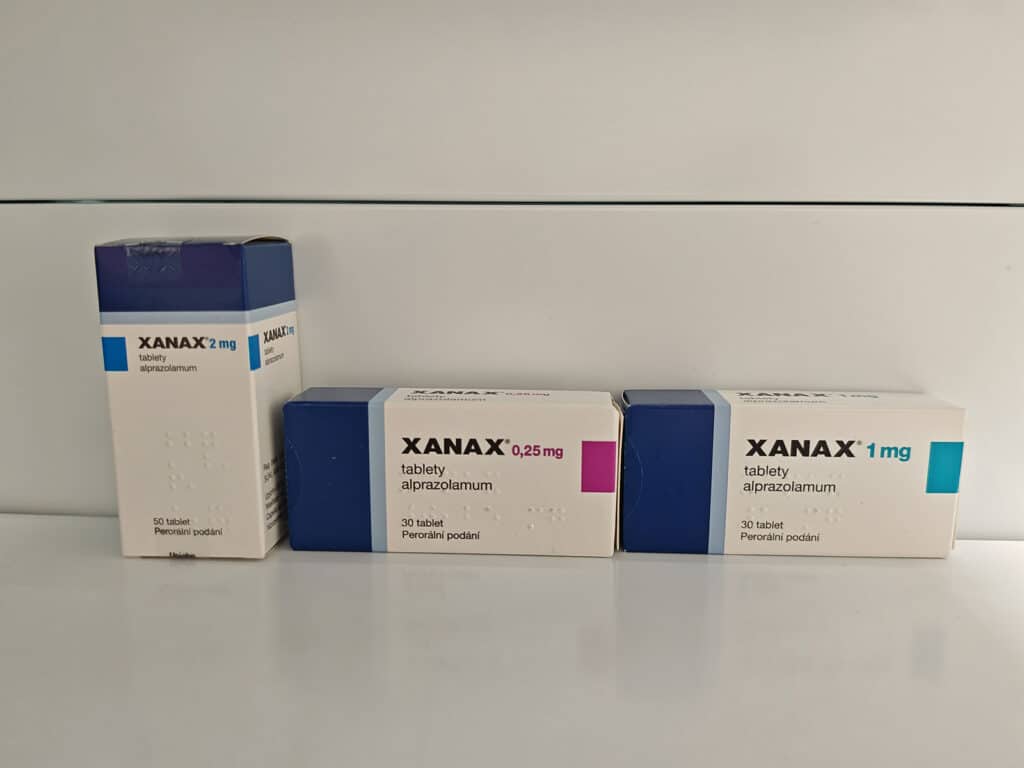
Xanax is the brand name for alprazolam, a prescription medication in the benzodiazepines (benzos) drug class. It’s commonly prescribed for anxiety disorders, panic disorders, and generalized anxiety disorder due to its calming sedative effect on the central nervous system.
While Xanax is effective as a short-term prescription drug for legitimate medical purposes, it also has a high potential for abuse—and yes, at higher doses, Xanax can produce a euphoric “high.” But that high comes with significant risks, including xanax addiction, physical dependence, and even life-threatening consequences.
How Xanax Works in the Brain
Xanax enhances the effects of gamma-aminobutyric acid (GABA), an inhibitory neurotransmitter that slows brain activity. By increasing GABA activity, Xanax produces a calming, anti-anxiety effect and reduces overactive brain signaling.

When taking Xanax as prescribed, it can:
- Relieve symptoms of panic attacks and anxiety.
- Produce relaxation and mild drowsiness.
- Reduce physical symptoms like muscle tension and rapid heartbeat.
However, recreational use or taking high doses can create a rapid-onset, intoxicating sensation that some describe as a “Xanax high.” This is especially likely with short-acting formulations due to their quick absorption.
What Does a Xanax High Feel Like?
People who misuse Xanax may experience:
- Extreme drowsiness or calm.
- Impaired coordination and slowed reaction time (impairment).
- Detachment from surroundings.
- Reduced anxiety and inhibition.
- Euphoria in some cases.
While this might sound appealing to some, the effects of Xanax at higher doses also increase the risk of overdose, especially when mixing Xanax with opioids (like fentanyl) or alcohol.
Why Xanax Abuse is Dangerous
Xanax abuse—whether by snorting crushed pills, taking more than prescribed, or combining with other drugs—can lead to serious consequences:
Short-term dangers:
- Slurred speech
- Blackouts and memory loss
- Severe impairment
- Accidental injuries
Long-term dangers:
- Xanax addiction and substance use disorder
- Withdrawal symptoms such as anxiety, insomnia, seizures
- Mental health decline
- Overdose (which can be fatal)
Increased risk occurs with:
- High doses or extended-release misuse
- Combining Xanax with alcohol or other sedatives
- Using without medical advice from a healthcare provider
Xanax Withdrawal and Dependence
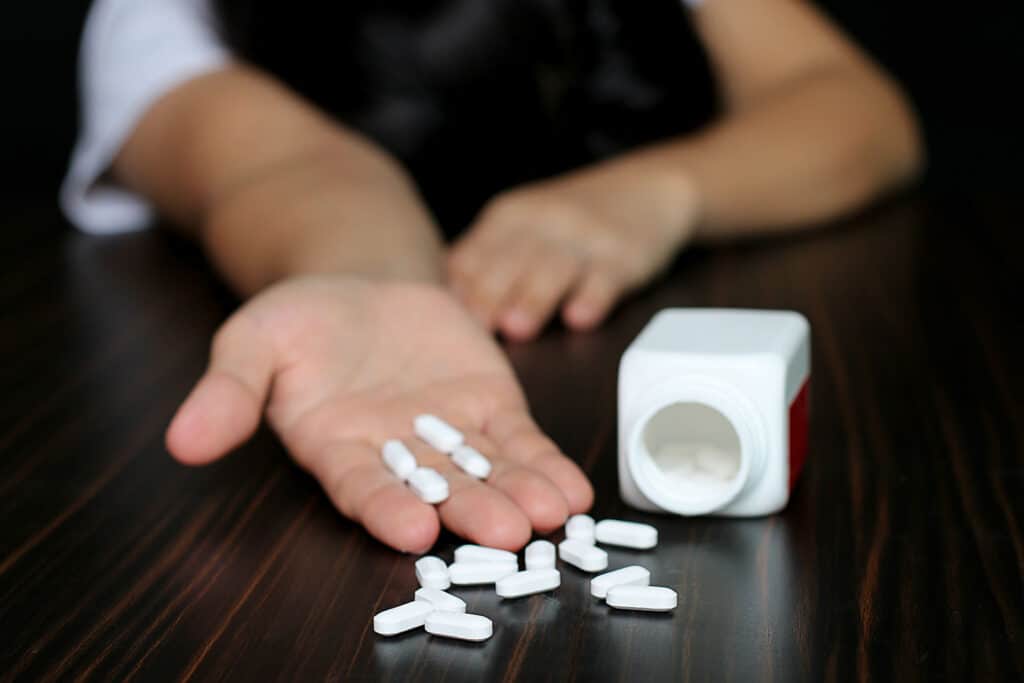
Even short-term Xanax use can cause physical dependence. Stopping suddenly can lead to severe withdrawal symptoms, including:
- Anxiety and panic attacks
- Tremors
- Seizures
- Hallucinations
Because of its short half-life, withdrawal from Xanax can start within hours after the last dose. Medical professionals often recommend a gradual taper under supervision in an inpatient or outpatient setting.
Treatment for Xanax Addiction
If you or a loved one is struggling with xanax abuse or substance abuse, professional addiction treatment is essential.
Treatment options may include:
- Detox in a medically supervised environment
- Inpatient or outpatient treatment programs
- Evidence-based therapy for mental health disorders
- Support groups and relapse prevention planning
A qualified treatment center can address both mental health and addiction, especially for individuals with co-occurring conditions.
Final Thoughts: Should You Take Xanax to Get High?
While Xanax can produce a euphoric effect at high doses, the financial, physical, and mental health costs far outweigh any short-term “buzz.” Misusing Xanax is not only illegal—it can also be life-threatening.
Always follow the guidance of a healthcare provider, never mix Xanax with alcohol or other depressants, and seek medical advice immediately if you suspect xanax overdose or are experiencing severe side effects of Xanax.
Written by: The Garden State Treatment Center Editorial Team
Published on: August 30, 2025
Updated on: August 31, 2025