You’ve been prescribed sertraline, perhaps to help navigate the challenging waters of depression or anxiety. It’s a powerful tool, a beacon guiding you toward better mental health. But as with any powerful tool, understanding its proper use—and, crucially, what to avoid—is paramount. One of the most common questions, and often a source of significant concern, revolves around alcohol. Can you have a drink while on sertraline? The short answer is no, it’s generally not recommended. But to truly understand why, we need to delve deeper. This isn’t about judgment; it’s about empowerment through knowledge, ensuring you make the best choices for your well-being.

Sertraline and Alcohol: A Risky Combination
Let’s cut to the chase: mixing alcohol and sertraline is a risky endeavor. It’s not a matter of “maybe it’ll be fine,” but rather a spectrum of potential negative outcomes ranging from uncomfortable side effects to serious health complications. Imagine trying to drive a car with one foot on the accelerator and the other on the brake simultaneously. It’s inefficient, potentially damaging, and ultimately counterproductive. That’s a simplified, yet illustrative, analogy for what happens when these two substances interact in your body.
Understanding Sertraline (Zoloft)
Before we explore the dangers, let’s establish a foundational understanding of sertraline itself. Knowing how your medication works will illuminate why alcohol interferes with its intended effects.
What is Sertraline?
Sertraline, an antidepressant medication widely known by its brand name Zoloft, belongs to a class of prescription medications called Selective Serotonin Reuptake Inhibitors (SSRIs). It’s a frontline treatment for various mental health conditions, including major depressive disorder, obsessive-compulsive disorder (OCD), panic disorder, post-traumatic stress disorder (PTSD), social anxiety disorder, and premenstrual dysphoric disorder (PMDD). Essentially, it’s designed to help rebalance certain chemicals in your brain to improve mood, reduce anxiety, and alleviate other debilitating symptoms [1].
How Sertraline Works
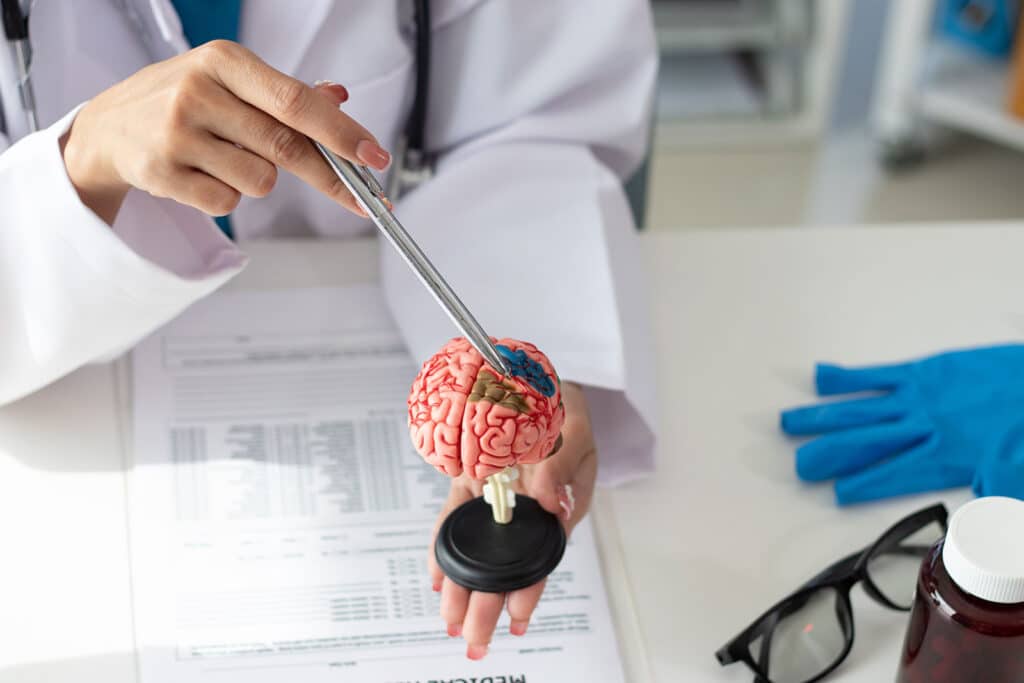
Think of your brain as a bustling city, with messages constantly zipping between different neighborhoods (neurons). These messages are carried by chemical messengers called neurotransmitters. One of the most important neurotransmitters for mood, well-being, and emotional regulation is serotonin.
Normally, after serotonin delivers its message, it’s reabsorbed back into the neuron that released it—a process called reuptake. Sertraline’s job is to selectively block this reuptake process. By doing so, it leaves more serotonin available in the synaptic cleft (the space between neurons) to bind to receptors, effectively amplifying and prolonging serotonin’s positive effects. This isn’t an instant fix; it takes time, often several weeks, for these changes to fully manifest and for you to feel the therapeutic benefits. Understanding both the effects of Zoloft and the timeline for its effectiveness—typically 4-6 weeks for full therapeutic benefit—is crucial [2], which is why introducing disruptive substances like alcohol during treatment can compromise your outcomes.
The Impact of Alcohol on the Brain
Now, let’s introduce the other player in this equation: alcohol. Often consumed socially, alcohol has profound and complex effects on the brain that are often at odds with sertraline’s mechanism.
Alcohol as a Central Nervous System Depressant
Despite the initial “buzz” or feeling of exhilaration many people experience, alcohol is fundamentally a central nervous system (CNS) depressant. This means it slows down brain activity. It doesn’t energize you; it sedates your brain. This sedation can lead to impaired judgment, reduced coordination, slurred speech, and slower reaction times, all of which worsen with increased consumption.
Alcohol’s Effect on Neurotransmitters
Alcohol isn’t a passive bystander in your brain; it actively interferes with numerous neurotransmitter systems. It enhances the effects of gamma-aminobutyric acid (GABA), the brain’s primary inhibitory neurotransmitter, which explains its sedating effects. Simultaneously, it can suppress the activity of glutamate, an excitatory neurotransmitter. This dual action further contributes to the overall slowing down of brain function. While alcohol can initially provide a false sense of relaxation or mood lift, its long-term impact on neurotransmitters, including serotonin, can ironically exacerbate feelings of depression and anxiety.
The Dangers of Mixing Sertraline and Alcohol
When you combine a medication designed to finely tune your brain chemistry with a substance that broadly disrupts it, you’re setting the stage for unpredictable and potentially harmful interactions.
Increased Side Effects of Sertraline
Sertraline, like all medications, comes with its own set of potential side effects. These can include nausea, dizziness, drowsiness, headaches, and stomach upset. Alcohol, particularly as a CNS depressant, can significantly amplify some of these adverse effects [3]. Imagine feeling a mild dizziness from your sertraline, and then alcohol turns that into severe vertigo. Or a subtle drowsiness becoming profound sedation. This isn’t just uncomfortable; it can be dangerous, especially if you’re trying to perform tasks requiring focus or coordination.
Worsening Depression and Anxiety
This is perhaps one of the most insidious dangers. Many people use alcohol to self-medicate feelings of anxiety or sadness. Alcohol can intensify symptoms of depression like persistent sadness and loss of interest, creating a vicious cycle that undermines your medication’s efforts. However, while alcohol might offer a temporary escape, it’s a false friend. As alcohol leaves your system, the rebound effect can lead to a significant worsening of depressive symptoms [4] and heightened anxiety. When you’re on sertraline to treat these very conditions, introducing alcohol undermines the medication’s therapeutic efforts. It’s like taking two steps forward with your medication, only to take three steps back with alcohol. You could find yourself in a deeper hole than before you started treatment.
Impaired Judgment and Coordination
Both sertraline and alcohol can individually impair judgment and coordination. Combined, these effects are synergistically amplified. This means your ability to think clearly, make sound decisions, and control your physical movements can be severely compromised. This drastically increases the risk of accidents, falls, and engaging in risky behaviors that you wouldn’t otherwise consider. Even a small amount of alcohol can have an exaggerated impact, making everyday tasks surprisingly challenging or dangerous.
Liver Strain
Both sertraline and alcohol are metabolized by your liver. The liver is a remarkable organ, but it has its limits. When you consume alcohol while taking sertraline, your liver is working overtime to process both substances [5]. This increased workload can potentially lead to greater liver strain, especially with regular or heavy alcohol consumption. While liver damage from this combination is rare, it’s a risk factor that shouldn’t be ignored, particularly for individuals with pre-existing liver conditions.
Risk of Serotonin Syndrome
A note on serotonin syndrome: this potentially serious condition is caused by combining multiple medications or substances that raise serotonin levels, such as taking an SSRI together with an MAOI, certain migraine medications, MDMA, or St. John’s Wort. Alcohol is not a serotonergic substance and is not a recognized cause of serotonin syndrome. The real risks of mixing sertraline and alcohol are different: intensified drowsiness and dizziness, impaired coordination and judgment, and a worsening of the depression or anxiety the medication is meant to treat. Symptoms include agitation, confusion, rapid heart rate, high blood pressure, muscle rigidity, and fever. If you experience any of these symptoms after mixing sertraline and alcohol, seek immediate medical attention.
Other Critical Medication Interactions
While alcohol is our focus, sertraline interacts with other substances too. Always inform your healthcare professional or psychiatry provider about everything you take, including supplements.
MAOIs (monoamine oxidase inhibitors) can cause fatal interactions with sertraline and require at least a two-week washout period when switching medications. Even seemingly harmless supplements like St. John’s Wort can trigger dangerous reactions. Never assume a “natural” supplement is safe without consulting your doctor.

Why You Should Avoid Alcohol While on Sertraline
Given these potential dangers, the recommendation to avoid alcohol while on sertraline isn’t a punitive measure; it’s a protective one. It’s about giving your medication the best chance to work and safeguarding your mental and physical health.
The “One Drink” Myth
Many people assume that “just one drink” won’t hurt. However, when it comes to sertraline and alcohol, the “one drink” myth can be particularly misleading. Firstly, individual reactions vary wildly. What might be mildly disruptive for one person could be severely debilitating for another. Secondly, the effects of alcohol are often delayed, and the interaction with sertraline can make these effects feel more potent and last longer than you’d expect. That single drink might hit you much harder and quicker than usual, potentially leading to unforeseen consequences.
Individual Differences in Tolerance
Your tolerance to alcohol is highly individual, influenced by factors like genetics, body weight, metabolism, and even hydration levels. When you add sertraline into the mix, your usual tolerance can be dramatically altered. The medication can make you more sensitive to alcohol’s effects, meaning a quantity that previously had little impact could now cause significant impairment. This unpredictability is a key reason why it’s best to err on the side of caution and abstain.
What to Do if You’ve Drunk Alcohol While on Sertraline
Mistakes happen, and sometimes, despite your best intentions, you might accidentally consume alcohol while on sertraline. If this occurs, don’t panic, but do take it seriously.
Monitor Your Symptoms
Immediately after consuming alcohol, pay close attention to how you feel. Are you experiencing unusual dizziness, nausea, extreme drowsiness, or heightened anxiety? Is your coordination significantly impaired? Look for any symptoms that feel out of the ordinary or more intense than usual. Avoid driving or operating machinery.
Recognizing Side Effects and Withdrawal Symptoms
Understanding the common side effects of sertraline and potential withdrawal symptoms is crucial, especially when alcohol is involved:
Category Key Symptoms Action Required Common Side Effects (amplified by alcohol) Nausea, dizziness, drowsiness, dry mouth, headache, insomnia Contact doctor if severe or persistent Withdrawal Symptoms (if medication stopped abruptly) Brain zaps, dizziness, irritability, mood swings, flu-like symptoms Never stop without medical supervision Emergency Symptoms Suicidal thoughts, severe confusion, seizures, rapid heartbeat, extreme agitation Call 911 or 988 Suicide & Crisis Lifeline immediately
This is not comprehensive medical advice. Always consult your healthcare professional for personalized guidance.
Important: Never stop sertraline abruptly. Withdrawal symptoms can be uncomfortable and dangerous. Work with your doctor for any dosage changes.
Contact Your Doctor
It’s always best to contact your doctor or pharmacist for personalized advice. Be honest and explain what happened, including how much alcohol you consumed and any symptoms you’re experiencing. They can assess your individual situation and provide guidance on whether further action is needed or if you simply need to monitor yourself. Don’t feel ashamed; healthcare providers are there to help, not to judge.

When Can You Drink Alcohol Again?
This is a question that many people want a definitive answer to, but the reality is more nuanced.
Consult Your Healthcare Provider
There’s no universal timeline for when it might be “safe” to reintroduce alcohol (if at all). The decision must be made in consultation with your healthcare provider. They will consider several factors: how long you’ve been on sertraline, the stability of your mental health condition, the dosage you’re on, and any other medications you might be taking. For some, the recommendation might be indefinite abstinence. For others, once stable, a very small, infrequent amount might be cautiously considered, though this is rare and heavily contingent on individual circumstances.
The Importance of Gradual Reintroduction (if advised)
If, and only if, your doctor advises that a very cautious reintroduction of alcohol is acceptable, it would need to be an extremely gradual process. This would typically involve starting with a very small amount (e.g., half a standard drink), monitoring your reaction closely, and extending the time between drinks. This is not an invitation to resume previous drinking habits, but rather a carefully managed assessment under medical guidance. For most people, particularly those still struggling with their mental health, abstinence remains the safest approach both in the short term during initial treatment stabilization and for long-term mental health maintenance.
Tips for Managing Social Situations Without Alcohol
Navigating social gatherings when you’re abstaining from alcohol can feel challenging, but it’s entirely manageable with a little preparation and a shift in perspective.
Communicate Your Needs
You don’t owe anyone a detailed explanation of your medical history, but a simple “I’m not drinking tonight” or “I’m on medication that doesn’t mix with alcohol” is usually sufficient. Most understanding friends and hosts will respect your choice. If someone presses you, a firm but polite “I’m feeling great without it, thanks” can deflect further questions.
Find Alternative Beverages
The world of non-alcoholic drinks has exploded! Explore sophisticated mocktails, craft non-alcoholic beers, sparkling waters with fruit, or interesting sodas. Holding a distinctive drink can make you feel more comfortable and less conspicuous. Often, people are more interested in what’s in your hand than whether it’s alcoholic.
Focus on Activities, Not Drinks
Shift your focus from the drinks to the people and the activity. Engage in conversations, play games, dance, or participate in whatever else the social situation offers. When your attention is on genuine connection and enjoyment, the absence of alcohol becomes much less significant. Remember, the goal of social interaction is connection, not consumption.

The Bottom Line: Prioritize Your Mental Health
Ultimately, your journey on sertraline is about healing and improving your mental well-being. Alcohol, in this context, is a potential obstacle, not a companion. While it might feel like a sacrifice to abstain, consider it an investment in your mental health, your stability, and your future. By choosing to avoid alcohol, you’re giving sertraline the best chance to work effectively, allowing yourself the clarity to monitor your progress, and actively participating in your own recovery. Prioritize your mental health above all else; it’s the foundation upon which everything else is built.
When Professional Help Is Needed
If you or a loved one struggles with both mental health challenges and alcohol abuse, alcohol addiction, or alcohol use disorder, integrated treatment is essential. Modern addiction treatment programs address both conditions simultaneously through:
- Medical professionals who manage psychiatric medications and alcohol withdrawal
- Outpatient and intensive programs tailored to co-occurring disorders
- Support groups for dual diagnosis
- Evidence-based therapies that address substance abuse and substance use disorder
Whether dealing with alcohol addiction or problematic alcohol use patterns, specialized treatment programs exist to help. Don’t let substance use disorder prevent you from getting the mental health support you deserve. Healthcare professionals in addiction treatment understand these complex challenges and can create a path forward.
References
- U.S. Food & Drug Administration (FDA). (2016). Zoloft (sertraline hydrochloride) Label and Medication Guide. https://www.accessdata.fda.gov/drugsatfda_docs/label/2016/019839s74s86s87_20990s35s44s45lbl.pdf
- National Alliance on Mental Illness (NAMI). (2024). Sertraline (Zoloft) Fact Sheet. https://www.nami.org/about-mental-illness/treatments/mental-health-medications/types-of-medication/sertraline-zoloft/
- Mayo Clinic. (2023). Antidepressants and alcohol: What’s the concern? https://www.mayoclinic.org/diseases-conditions/depression/expert-answers/antidepressants-and-alcohol/faq-20058231
- National Institutes of Health (NIH). (2014). Interaction between antidepressants and alcohol. PubMed. https://pubmed.ncbi.nlm.nih.gov/25214162/
- Cleveland Clinic. (2024). Sertraline Tablets (Zoloft): Uses, Side Effects & Warnings. https://my.clevelandclinic.org/health/drugs/20089-sertraline-tablets
Written by: The Garden State Treatment Center Editorial Team
Published on: May 11, 2026
Updated on: July 3, 2026