When we talk about the harsh realities of drug use, methamphetamine often stands out due to its devastating impact. And if you’re looking to understand this landscape, recognizing the tools of the trade – specifically meth pipes – is a crucial first step. This isn’t about morbid curiosity; it’s about awareness, safety, and potentially, intervention.
Understanding the Landscape: Why Identifying Meth Paraphernalia Matters
Imagine you’re walking through a park, or perhaps tidying up an overlooked corner of a property. Suddenly, you spot something unusual. A strange glass object, perhaps, or a collection of seemingly innocuous items. Your gut tells you something isn’t right. This is precisely why understanding meth paraphernalia, particularly pipes, is so important. It’s about being equipped with the knowledge to identify potential danger and, more importantly, to act responsibly.

The Hidden Dangers of Methamphetamine Use
Methamphetamine isn’t just another illicit drug; it’s a potent central nervous system stimulant that unleashes a torrent of dopamine, leading to an intense, euphoric rush. But this rush comes at a terrifying cost. The short-term effects can include increased wakefulness, decreased appetite, rapid heart rate, and elevated blood pressure, pushing the body to its limits. Chronic use, however, paints a much darker picture: severe dental problems often referred to as “meth mouth,” extreme weight loss, skin sores from incessant picking, and profound psychological issues like paranoia, hallucinations, and violent behavior. The drug literally rewires the brain, making addiction incredibly difficult to overcome and leaving a trail of physical and mental devastation.
The Importance of Recognition for Safety and Intervention
Recognizing a meth pipe isn’t about being an amateur detective; it’s about being an informed citizen. Your safety is paramount. Coming across drug paraphernalia, especially items that may contain drug residue, poses immediate health risks. Beyond that, knowing what to look for allows you to assess situations more accurately. Perhaps you’re a parent concerned about a child, a landlord inspecting a property, or simply someone who cares about your community. Identification is the first step towards intervention, whether that means safely reporting a suspicious item to authorities or recognizing a cry for help from a loved one. It’s about creating a safer environment and opening doors to desperately needed support.
The Hallmarks of a Meth Pipe: What to Look For
Let’s get down to the brass tacks: what do these things actually look like? While there’s a degree of improvisation in drug paraphernalia, there are very distinct features that will help you identify a meth pipe. Think of it like learning to spot a specific type of bird – once you know its defining characteristics, it becomes much clearer.
The “Pookie” Pipe: The Most Common Form
When someone talks about a “meth pipe,” they are almost invariably referring to what’s colloquially known as a “pookie” pipe. This is the quintessential meth smoking device, and for good reason: its design is incredibly efficient for vaporizing methamphetamine.
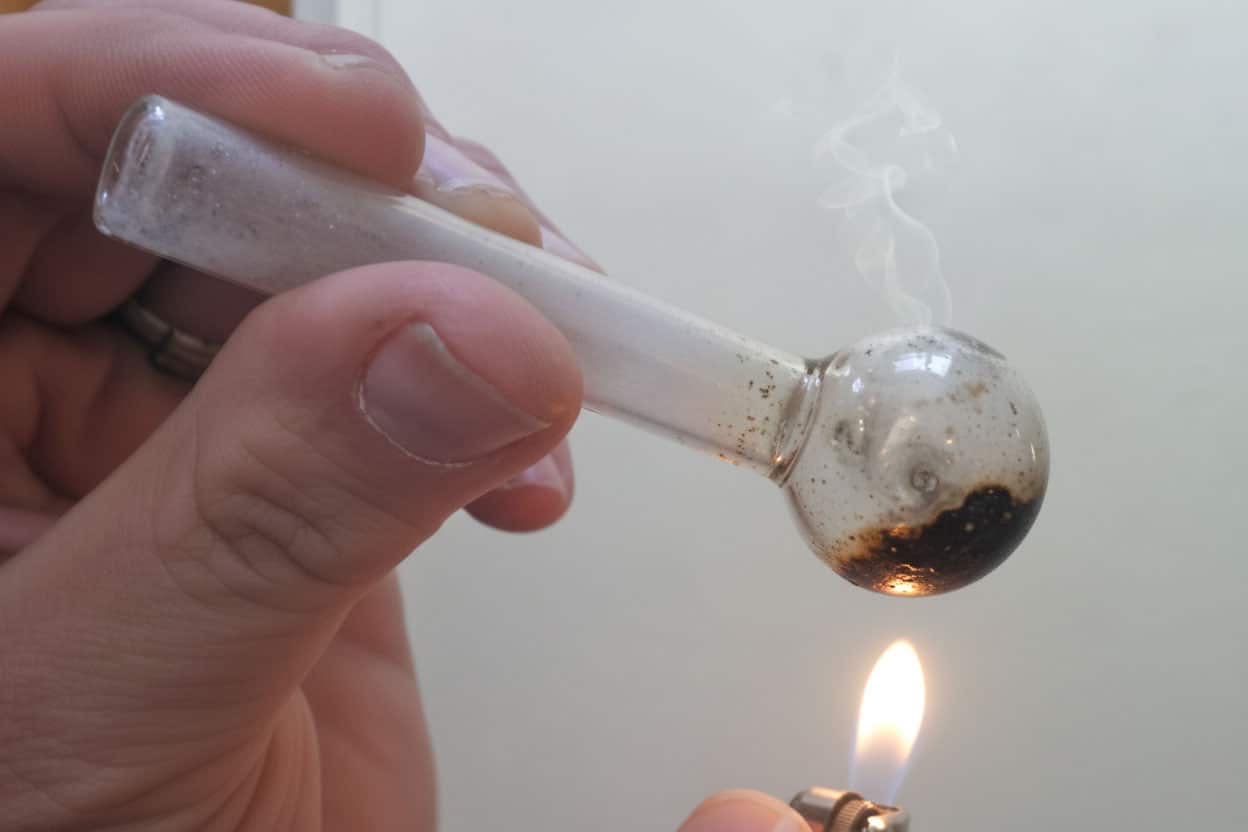
Imagine a small, slender glass tube, typically about 4 to 6 inches long. One end will be a mouthpiece, often slightly tapered. The other end, however, is the key identifier: it flares out into a distinct, spherical bulb or bubble. This bulb is usually about the size of a marble or a small gumball. The critical detail here is often what’s inside the bulb, or rather, the residue left behind. When meth is heated in this bulb, it vaporizes, and as it cools, it leaves a dark, sometimes yellowish or brownish, crystalline residue on the inner surface. This residue can look like burnt sugar or a dark stain. The glass itself might also appear cloudy or scorched, especially around the bulb, from repeated heating.
These pipes are almost always made of borosilicate glass, like Pyrex, because it can withstand high temperatures without shattering. They feel relatively delicate, yet surprisingly robust for their intended (mis)use. If you see a small glass tube with a bulbous end and signs of dark residue, you’re almost certainly looking at a pookie pipe.
Beyond the Classic: Other Improvised Pipes
While the pookie pipe is king, drug users are unfortunately ingenious when it comes to improvisation. The goal is always the same: create a small, contained chamber to heat the meth and a tube to inhale the vapor.
Think of it this way: almost any heat-resistant, hollow object can be repurposed. You might see:
- Light Bulbs: A common DIY method involves carefully breaking open a traditional incandescent light bulb, removing the filament, and creating a small hole. The bulb then serves as the heating chamber, and a pen casing or similar tube is inserted to act as a mouthpiece. Look for a discarded light bulb with a suspicious opening and often, the tell-tale burnt residue inside.
- Aluminum Foil: Less common for direct smoking meth but sometimes used, a piece of aluminum foil can be folded into a small boat or tray. Meth is placed on it, heated from underneath, and the user inhales the vapor through a rolled-up dollar bill or a hollow tube. This method often leaves behind a distinctive black, charred residue on the foil.
- Plastic Bottles and Cans: While more typically associated with crack cocaine, improvised pipes can also be made from plastic bottles or soda cans. A small hole is made, often with a piece of foil or mesh placed over it as a filter, and the substance is heated. These will usually show signs of melting, scorching, and residue.
- Glass Vials or Small Jars: Any small glass container, if it can be modified to allow for heating and inhalation, might be used. Look for singe marks, holes drilled into lids, or attached tubes.
The key across all these improvised devices is the presence of heating marks (scorching, melting) and the characteristic dark, often sticky or crystalline residue left by vaporized meth. If it looks like it was designed to hold a small amount of substance, be heated intensely, and allow for inhalation, it’s worth flagging.

Where You Might Encounter Meth Pipes
Knowing what a meth pipe looks like is only half the battle; knowing where you might stumble upon one is equally vital. Meth use isn’t confined to hidden dens; it can seep into everyday spaces, making awareness crucial for everyone.
In Homes and Private Spaces: The Most Common Occurrence
Statistically, the most common place to find meth pipes and other paraphernalia is within private residences. This could be in:
- Bedrooms: Tucked away in drawers, under beds, or even openly on nightstands.
- Bathrooms: Often hidden in medicine cabinets, behind toiletries, or in waste bins. The relative privacy and ventilation can make them preferred spots.
- Kitchens: Sometimes found in pantries, tucked into cupboards, or disguised amongst utensils.
- Garages or Sheds: These often serve as secluded spaces for drug use, away from the main living areas.
- Backyards or Gardens: Especially if there are overgrown areas, abandoned structures, or discreet seating.
If you have concerns about a loved one, a tenant, or even a property you’re managing or inspecting, these are the primary areas to exercise caution and observation. Look for items that seem out of place or show the tell-tale signs described earlier.
Public Areas and Restrooms: A Disturbing Reality
Unfortunately, meth use isn’t limited to private spaces. The highly addictive nature of the drug means users may seek opportunities to get high wherever they can find a modicum of privacy.
- Public Restrooms: This is a particularly common location. Stalls offer temporary seclusion, and pipes can be quickly used and then discarded in trash cans, behind toilets, or on ledges. Always be cautious when entering a public restroom, especially in areas known for drug activity.
- Parks and Recreational Areas: While perhaps less overt, secluded benches, wooded areas, or even playground equipment can become temporary sites for drug use. Keep an eye out for discarded items in bushes, under benches, or near remote picnic tables.
- Abandoned Buildings or Construction Sites: These offer both privacy and shelter, making them magnets for illicit activities, including drug use.
- Motel/Hotel Rooms: Often rented for short-term stays, these can unfortunately be used for drug consumption. Housekeeping staff are frequently the ones to discover paraphernalia.
Vehicles: A Mobile Consumption Point
A car, truck, or even a recreational vehicle provides a readily available, mobile, and often discreet environment for drug use.
- Under Seats or Floor Mats: Easy places to quickly hide items if pulled over or if unexpected company arrives.
- Glove Compartments or Center Consoles: Common storage spots for all sorts of small items, including drug paraphernalia.
- Trunks: Especially if the user has other items in the trunk to camouflage the pipe.
- Ash Trays: If the vehicle has one, it might be repurposed to hold or conceal small items.
The key takeaway here is vigilance. These items can appear in any environment, often in plain sight, if you know what to look for.
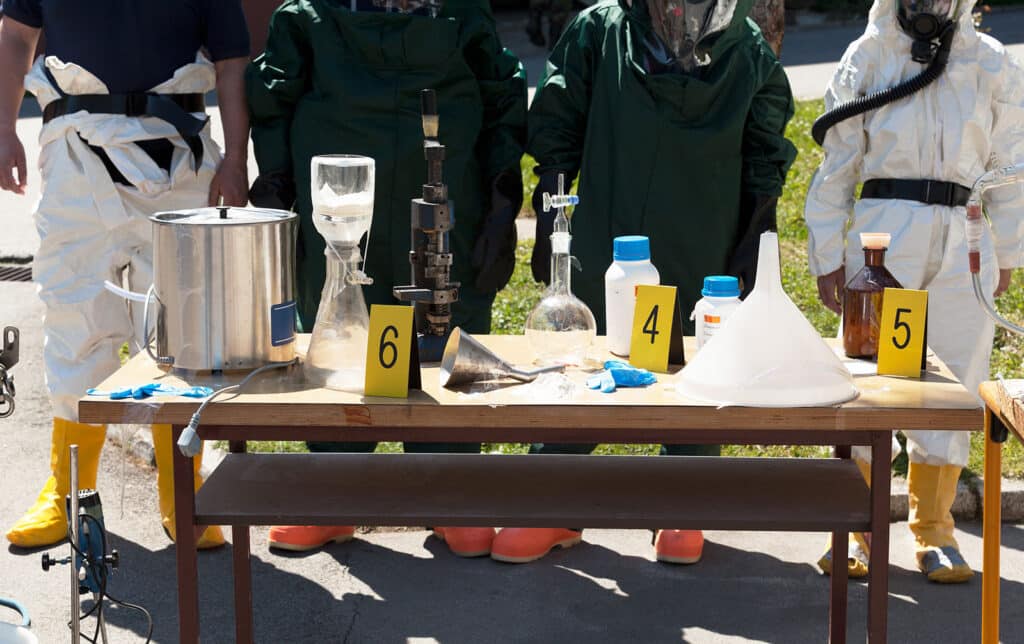
Beyond the Pipe: Other Meth Paraphernalia to Recognize
While the pipe is a primary indicator, meth use often involves a suite of other items. Recognizing these can further confirm your suspicions and provide a more complete picture of the situation. Think of it as putting together a puzzle – each piece adds to the clarity.
Bags and Baggies: Storage and Distribution
Methamphetamine, whether in crystal or powder form, needs to be stored and transported.
- Small Plastic Baggies: These are often tiny, clear, zip-top bags, sometimes no bigger than a postage stamp or a quarter. They might contain a small amount of crystalline residue, or be empty but have been used. These are distinct from typical sandwich bags due to their diminutive size and often their thick plastic.
- Folded Paper or Aluminum Foil: Users might also wrap small amounts of meth in carefully folded pieces of paper (like a corner torn from a magazine or receipt) or aluminum foil, creating a discreet packet.
Lighters and Torches: The Heat Source
To vaporize meth in a pipe, intense heat is required.
- Butane Torches: While standard lighters can work, many users prefer small butane torches (often marketed as crème brûlée torches or cigar lighters) because they provide a much hotter, more focused flame. Look for small, refillable torches, sometimes with scorch marks from prolonged use.
- Standard Lighters: Regular Bic-style lighters are also used, but they might show signs of heavy use, like an empty fuel reservoir or significant blackening around the flame outlet from being held in one position for extended periods.
Scales and Razors: Preparation and Measurement
For those involved in selling or carefully dosing the drug, precision tools come into play.
- Digital Pocket Scales: These are small, electronic scales, often no larger than a smartphone, used to measure precise quantities of drugs. They are highly accurate and can be zeroed out. Look for crystalline residue on the weighing platform.
- Razor Blades or Credit Cards: These are frequently used to “chop” or separate larger crystals of meth into smaller, more manageable doses or lines for snorting. A razor blade found next to a pile of white powder or crystalline residue is a strong indicator.
Hypodermic Needles: When Injection is the Method
While smoking is the most common method of meth use, injection is also prevalent, especially among long-term users seeking a more intense and immediate rush. This introduces an entirely different set of dangers, including the transmission of bloodborne diseases.
- Hypodermic Needles/Syringes: These are standard medical syringes, but often found uncapped, with bent needles, or signs of dried blood. They might be accompanied by cotton balls (used as filters), spoons (used to “cook” or dissolve the meth), or tourniquets (to make veins more prominent).
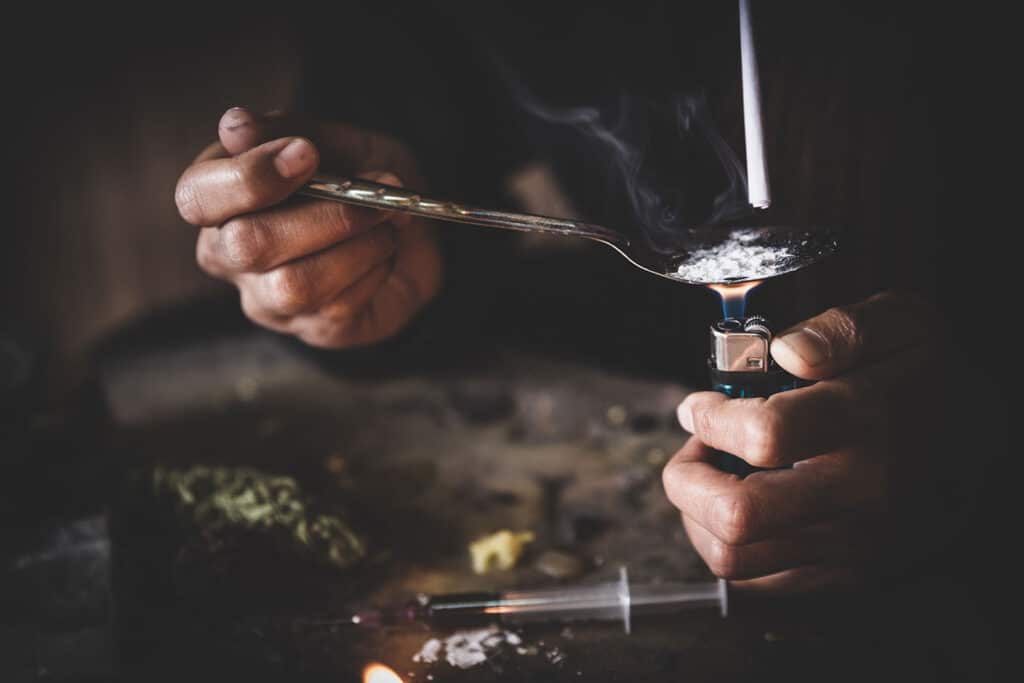
- Spoons with Residue: Small spoons, often with a bent handle, might have a burnt or scorched bottom and contain a dark, sticky residue from heating meth mixed with water for injection.
Finding any of these items in conjunction with a meth pipe significantly strengthens the likelihood of drug use, and each piece carries its own specific hazards.
What to Do If You Find a Meth Pipe or Other Paraphernalia
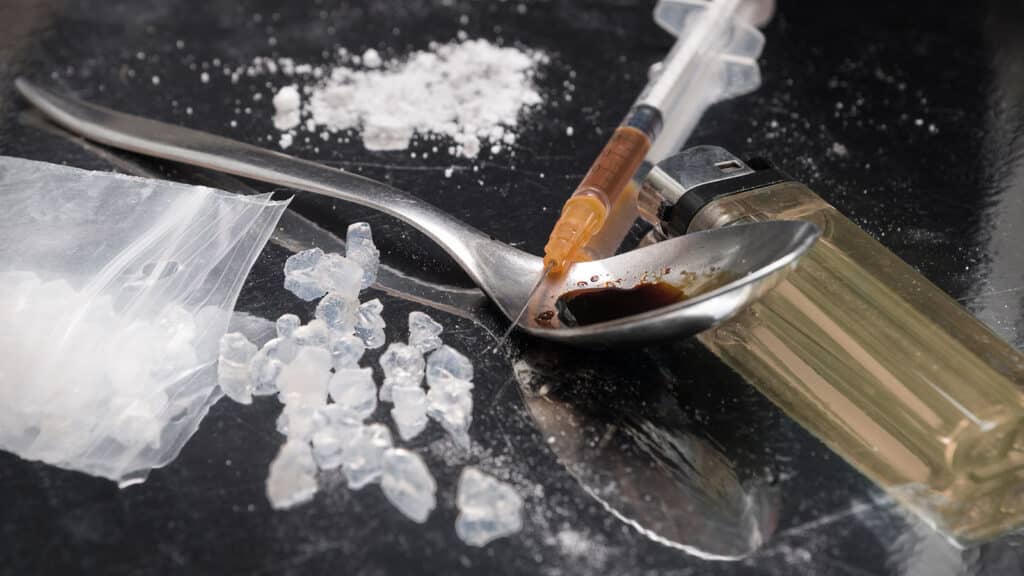
Finding drug paraphernalia can be unsettling, even alarming. Your immediate reaction might be to clean it up or remove it. However, it’s crucial to prioritize safety and follow proper protocols.
Prioritize Your Safety: Do Not Touch
This cannot be stressed enough: DO NOT TOUCH a meth pipe or any associated paraphernalia with your bare hands.
- Chemical Residue: Methamphetamine residue can be harmful. It can absorb through the skin, causing irritation, and in some cases, even a mild high, especially if contact is prolonged.
- Sharp Objects: Needles, broken glass pipes, and razor blades present a direct physical injury risk. Puncture wounds can lead to infections or, worse, exposure to bloodborne pathogens like HIV or Hepatitis, particularly from discarded needles.
- Biohazards: Items like cotton balls or spoons used for injection may contain blood or other bodily fluids, posing a serious biohazard.
If you must handle it, and only if you have no other choice (e.g., you are trained law enforcement or a cleanup crew with proper equipment), use thick, puncture-resistant gloves and dispose of it in a sharps container or a rigid, sealed container (like a thick plastic bottle) that will not break or be penetrated. Ideally, however, you should avoid direct contact entirely.
Document and Report: Involving the Proper Authorities
Once you’ve ensured your immediate safety, the next step is to involve the professionals.
- Do Not Dispose of It Yourself: Simply tossing it in the trash can create a hazard for sanitation workers or others who might come into contact with it.
- Photograph the Scene (If Safe): If you can do so without touching anything and without putting yourself in harm’s way, take a few pictures. This can be helpful for authorities. Note the exact location and any other relevant details.
- Contact Local Law Enforcement: For potentially illicit items like drug paraphernalia, your local police or sheriff’s department is the appropriate contact. Explain calmly what you found, where you found it, and any other observations. They are equipped to handle hazardous materials and investigate potential drug activity.
- For Landlords or Property Managers: If you find paraphernalia on your property, in addition to contacting law enforcement, you may need to consult with legal counsel regarding tenant eviction procedures or property decontamination, depending on local laws.
- For Employers: If found in a workplace, follow your company’s safety protocols and involve HR and/or security.
Seeking Help for Yourself or a Loved One: Resources and Support
Finding drug paraphernalia can be a stark wake-up call, either for someone you care about or for yourself. This discovery can be the catalyst for seeking help.
- For a Loved One: If you suspect a friend or family member is using meth, approach them with concern, not condemnation. Express your worries and offer support. Research local addiction treatment centers, support groups like Nar-Anon, or counselors specializing in substance abuse.
- For Yourself: If you are struggling with meth addiction and finding paraphernalia is a sign you need help, please reach out. There are resources available. The Substance Abuse and Mental Health Services Administration (SAMHSA) National Helpline (1-800-662-HELP (4357)) is a confidential, free, 24/7 information service, in English and Spanish, for individuals and family members facing mental and/or substance use disorders. They can provide referrals to local treatment facilities, support groups, and community-based organizations. Your doctor can also be a vital first point of contact.
Remember, finding paraphernalia is often a symptom of a deeper struggle. Addressing the items themselves is one step, but addressing the underlying addiction is the ultimate goal.
The Broader Picture: Understanding Meth Addiction and Its Impact
Identifying a meth pipe is just the tip of the iceberg. To truly grasp the significance of what you’re seeing, it’s vital to understand the profound human cost of meth addiction. It’s a tragedy that unfolds daily in communities worldwide.
The Devastating Effects on Individuals and Communities
Methamphetamine addiction is a relentless destroyer. For individuals, it erodes physical health, often leading to rapid aging, severe dental decay (“meth mouth”), skin lesions from obsessive picking, and extreme weight loss. Mentally, it causes paranoia, hallucinations, anxiety, and depression, often leading to violent outbursts or psychosis. Relationships crumble, jobs are lost, and financial stability vanishes. The user becomes a shadow of their former self, trapped in a relentless cycle of craving and use.
The ripple effect on communities is equally devastating. Increased crime rates (theft, assault) often accompany meth use as users resort to desperate measures to fund their habit. Healthcare systems are strained by overdose cases and long-term health issues. Child protective services are overwhelmed by cases of neglect and abuse in homes where parents are addicted. The very fabric of community trust and safety is eroded, leaving behind fear, despair, and widespread social problems.
Here is a section based on your request, written to be supportive and informative while naturally including the keywords.
Harm Reduction and Self-care Strategies
For individuals who use a meth pipe, prioritizing safety and health is a critical form of self-care. The goal of harm reduction is not to judge, but to provide practical strategies to minimize potential negative consequences.1 Applying harm reduction measures can significantly lower the risks associated with use.
This begins with common-sense harm reduction practices related to the equipment itself. For instance, safer smoking practices include checking the pipe for cracks or chips to prevent burns and avoiding sharing equipment, which can transmit diseases like Hepatitis C. These safer administration methods are foundational harm reduction techniques.
Beyond the physical act, a broader approach is beneficial:
- Connect with Programs: Many communities have a local harm reduction program. These harm reduction programs are confidential and non-judgmental, offering clean supplies and valuable information.2 They are excellent resources for safer drug use.
- Focus on Holistic Health: Self-care extends to your mental and emotional well-being.3 It’s important to develop healthier coping skills to manage stress and triggers.4
- Address All Needs: It’s common for substance use to exist alongside co-occurring mental health disorders, such as depression or anxiety.5 Seeking support for these challenges is a crucial part of a comprehensive safety and wellness plan.
Legal Issues Related to Meth Pipes
It is critical to understand the serious legal consequences associated with methamphetamine use, which extend to the paraphernalia itself. In almost all jurisdictions, the possession of a meth pipe is illegal and classified as possession of drug paraphernalia, which can lead to criminal charges, fines, and potential jail time.

Legality is often dictated by specific local or state regulations, which have become increasingly strict. Responding to public health crises, many governing bodies and public safety commission groups have enacted a ban on the sale of meth pipes.
However, sellers have attempted to bypass these laws, for example, by selling meth pipes disguised as oil diffusers or even selling meth pipes disguised as pots for plants. Law enforcement is well aware of these tactics, and such sales are still considered illegal. These efforts are part of a larger strategy to combat the distribution of meth and disrupt the supply chain from drug dealers who profit from illicitly manufactured meth. Possessing such an item, regardless of how it was marketed, directly links an individual to this illegal activity in the eyes of the law.
The Path to Recovery: Hope and Treatment Options
Despite the bleak picture, hope exists. Recovery from meth addiction is incredibly challenging, but it is absolutely possible. It requires immense courage from the individual and sustained support from their community and loved ones.
Treatment typically involves a multi-faceted approach:
- Detoxification: Often the first step, detox managed by medical professionals to safely handle withdrawal symptoms.
- Behavioral Therapies: Cognitive Behavioral Therapy (CBT) helps individuals identify and change problematic thought patterns and behaviors. Contingency Management uses incentives to encourage abstinence.
- Support Groups: Programs like Narcotics Anonymous (NA) provide peer support and a structured path to recovery.
- Medication: While there isn’t a specific medication approved to treat meth addiction directly, medications can help manage co-occurring mental health issues like depression or anxiety, which are common among meth users.
- Long-Term Support: Ongoing counseling, outpatient treatment programs, sober living environments, aftercare, and relapse prevention strategies are crucial for sustained recovery.
Recovery is a marathon, not a sprint, marked by setbacks and triumphs. But with dedication and the right resources, individuals can reclaim their lives from the grip of methamphetamine.

A Final Word: Equipping Yourself with Knowledge
You’ve now walked through the critical details of identifying meth pipes and related paraphernalia, understood where you might encounter them, and learned how to respond safely and responsibly. This knowledge isn’t meant to instill fear, but to empower you.
Being aware of what to look for, prioritizing your safety, and knowing who to contact are invaluable skills in our world. Your ability to recognize these signs can protect yourself, your loved ones, and your community. Moreover, this understanding is the foundation for empathy and effective action when confronting the broader issue of addiction. Use this knowledge wisely, and be a part of the solution.
Written by: The Garden State Treatment Center Editorial Team
Published on: October 30, 2025
Updated on: November 3, 2025