

You’ve probably heard it before, maybe in a movie, a casual conversation, or even a news report: “Ketamine? Oh, that’s just a horse tranquilizer.” It’s a pervasive idea, a stubborn myth that has clung to the drug for decades. But is it true? Is ketamine solely the domain of veterinarians and large animals? The short answer is a resounding no, and understanding why is crucial not just for factual accuracy, but for appreciating the true potential and complexities of this fascinating compound.
The Ubiquitous Myth: Is Ketamine Just for Horses?
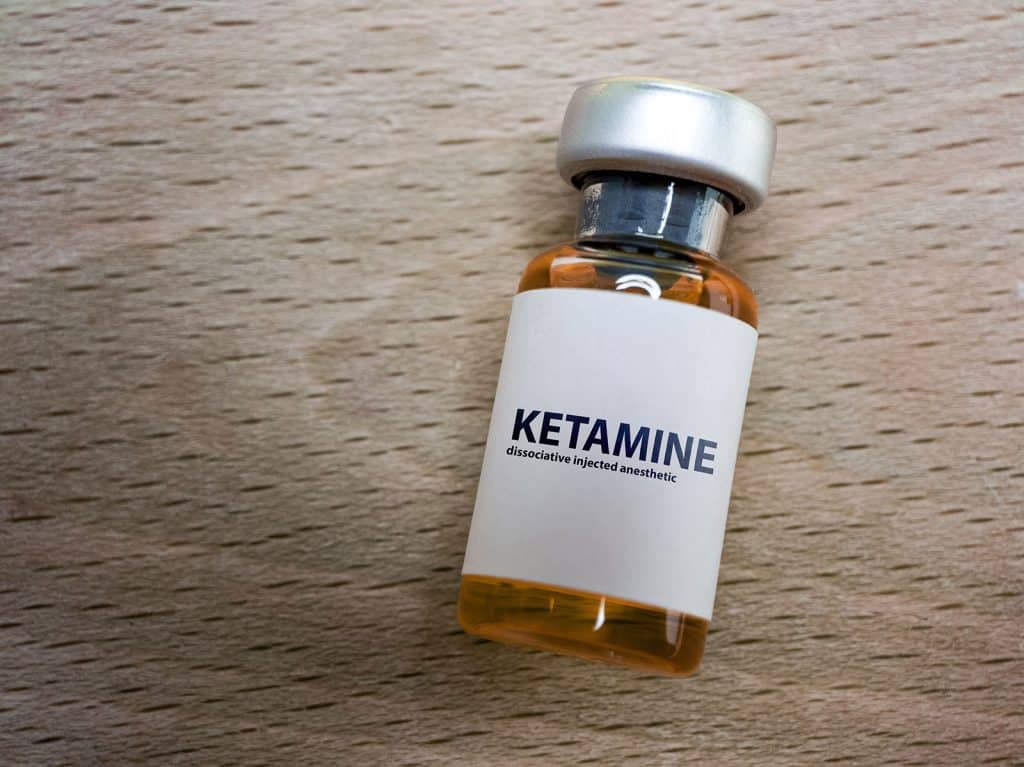
Let’s address the elephant—or, rather, the horse—in the room immediately. The idea that ketamine is just a horse tranquilizer is a deeply ingrained misconception. While it is used in veterinary medicine, including for horses, this limited view dramatically undersells its broad and incredibly impactful applications in human medicine and its complex pharmacological profile. Thinking of ketamine only in terms of equines is like saying a hammer is just for nails—it misses the whole toolbox of its utility.
Setting the Record Straight from the Outset
From the very beginning of our exploration, let’s establish this truth: Ketamine is a powerful and versatile dissociative anesthetic that has profoundly impacted both human and veterinary medicine. Its use in horses is but one facet of its much larger story, and arguably, not even its primary one anymore. The “horse tranquilizer” label is a simplistic, misleading reduction that obscures its genuine medical significance.
A Brief History: From Anesthetic to “Special K”
To truly understand ketamine, we need to journey back to its origins, a tale that highlights both its groundbreaking medical utility and the unfortunate path that led to its recreational notoriety.
The Birth of Ketamine: A Medical Breakthrough
Imagine a time when surgical anesthesia carried significant risks, sometimes even more so than the surgery itself. Enter ketamine. Synthesized in 1962 by Dr. Calvin Stevens at Parke, Davis and Company, it was initially hailed as a safer alternative to phencyclidine (PCP), another dissociative anesthetic with more severe psychotomimetic side effects. By 1970, the U.S. Food and Drug Administration (FDA) approved ketamine for human use as an anesthetic and analgesic.
Its unique properties made it a game-changer. Unlike many other anesthetics that suppress breathing and cardiovascular function, ketamine largely preserves these vital systems. This “dissociative anesthesia” creates a trance-like state, providing powerful pain relief and amnesia without fully depressing the central nervous system. It was quickly adopted, particularly in battlefield medicine during the Vietnam War, where its rapid action and safety profile in austere conditions proved invaluable. It allowed doctors to perform life-saving procedures quickly and effectively, even in patients with trauma and compromised vital signs.
The Rise of Recreational Use and Misinformation
As with many potent substances, ketamine’s unique psychoactive effects eventually caught the attention of those seeking altered states of consciousness. By the 1980s and 90s, it gained traction in recreational circles, particularly in the rave and club scenes, where it was dubbed “Special K.” Its dissociative properties, which can range from mild detachment to profound out-of-body experiences, were perceived by some as a desirable escape.
This recreational use, often unregulated and irresponsible, fueled the negative stereotypes and misinformation surrounding ketamine. The “horse tranquilizer” label likely gained significant traction during this period, perpetuated by sensationalized media reports and a lack of public understanding about the drug’s legitimate medical applications. It became characterized as both a party drug and street drug, convenient albeit inaccurate shorthand for a substance deemed dangerous and illicit, further obscuring its true medical value.

Understanding Ketamine’s Diverse Applications
Now that we’ve seen its origins, let’s clearly delineate where ketamine actually finds its use, both in humans and animals.
Ketamine in Human Medicine: More Than You Think
Far from being solely a veterinary drug, ketamine is a vital tool in human medicine across a surprisingly broad spectrum:
- Anesthesia: It remains a critical anesthetic, especially in emergency medicine, pediatric procedures, and situations where other anesthetics might be contraindicated due to cardiovascular or respiratory concerns. Think of a critically injured patient needing urgent surgery, or a child requiring a quick, safe procedure.
- Pain Management: Ketamine is increasingly used for acute and chronic pain. Low-dose ketamine infusions can provide significant relief for neuropathic pain, complex regional pain syndrome (CRPS), and even intractable cancer pain, often when other treatments have failed.
- Mental Health: This is perhaps where ketamine is making the most significant waves today. For severe depression, anxiety, and PTSD, ketamine (and its enantiomer, esketamine) has shown remarkably rapid antidepressant effects, often within hours or days, contrasting sharply with traditional antidepressants that can take weeks. It’s offering hope to patients who have struggled for years.
- Status Epilepticus: In severe, life-threatening seizures that don’t respond to conventional treatments, ketamine can be a last-resort intervention.
These applications highlight ketamine’s versatility and its ability to act as more than just a sedative.
Ketamine in Veterinary Medicine: Where the “Horse Tranquilizer” Idea Originated
And yes, you guessed it, ketamine is indeed used in veterinary medicine. Its efficacy, safety profile, and cost-effectiveness make it a valuable agent for various animals, including horses.
- Equine Anesthesia: For large animals like horses, ketamine is frequently used in combination with other sedatives to induce and maintain anesthesia for surgical procedures. Its ability to provide profound analgesia and muscle relaxation, while maintaining cardiovascular stability, is highly beneficial for these powerful creatures.
- Small Animal Surgery: It’s also used in dogs, cats, and other smaller animals for anesthesia and pain control during surgeries and other medical procedures.
- Wildlife Immobilization: Given its dissociative effects, ketamine is also useful for immobilizing wild animals for examination, treatment, or relocation, providing a safer alternative to other sedatives that might compromise vital functions.
So, while the “horse tranquilizer” label has a kernel of truth, it represents only a small slice of ketamine’s veterinary utility and an even smaller fraction of its overall medical significance. The myth’s enduring power comes from this narrow, often sensationalized, focus.

How Ketamine Works: A Deeper Dive into its Pharmacology
To truly appreciate ketamine’s diverse effects, we need to peek under the hood and understand its unique mechanism of action. This isn’t just about sedation; it’s about altering brain chemistry in profound ways.
Targeting NMDA Receptors: A Unique Mechanism
Most anesthetics work by enhancing GABA, an inhibitory neurotransmitter. Ketamine, however, primarily acts as a non-competitive antagonist of the N-methyl-D-aspartate (NMDA) receptor, a type of glutamate receptor in the brain. Glutamate is the brain’s primary excitatory neurotransmitter, involved in learning, memory, and synaptic plasticity.
By blocking these NMDA receptors, ketamine essentially “disconnects” certain parts of the brain from each other, particularly the thalamocortical and limbic systems. This disruption of normal communication pathways is what leads to the “dissociative” state—a feeling of detachment from one’s body and environment, alongside powerful pain relief and memory loss during the experience. But its effects don’t stop there. Ketamine also influences other neurotransmitter systems and pathways, such as opioid receptors, monoamine transporters, and neuroplasticity pathways, which contribute to its antidepressant and analgesic effects. It’s a remarkably complex and “dirty” drug in the best possible way, hitting multiple targets that lead to its therapeutic benefits.
The Dissociative Experience: What Does it Feel Like?
The dissociative experience induced by ketamine can vary widely depending on the dose, route of administration, and individual sensitivity. At anesthetic doses, patients are unconscious and unresponsive. At lower, sub-anesthetic doses—often used in pain management or psychiatric treatments—patients remain conscious but enter a unique altered state.
They might describe feelings of:
- Detachment: A sense of being separate from their body or surroundings, observing themselves from a distance.
- Perceptual distortions: Altered perceptions of time, space, and sensory input. Colors might seem more vibrant, sounds might be distorted.
- Altered thought patterns: Thoughts might feel dreamlike, abstract, or non-linear.
- Euclidian (geometric) hallucinations: Patterns, tunnels, or fractals are commonly reported.
- Profound insights: Some individuals report feeling a deeper connection to their inner self or gaining new perspectives on their life and problems, particularly in therapeutic settings with guided integration.
This unique subjective experience is central to both its recreational appeal and its therapeutic potential, especially in mental health, where disrupting rigid thought patterns can be beneficial.

The Dangers of Misinformation: Why Accuracy Matters
The persistent myth of ketamine as “just a horse tranquilizer” isn’t harmless; it carries significant consequences that impact public perception, medical progress, and patient care.
Stigma and Access: The Impact of the “Horse Tranquilizer” Label
Imagine a patient suffering from severe, treatment-resistant depression symptoms. Their doctor recommends ketamine therapy, explaining its proven efficacy. But when the patient tells a friend or family member, they’re met with horror: “A horse tranquilizer? Are you serious? That’s insane!” This kind of reaction, fueled by misinformation, can create immense stigma. It can prevent patients from seeking effective mental health treatment, make them question their doctors’ judgment, and foster unnecessary fear around a legitimate medical intervention.
This stigma also complicates research and public acceptance. When a drug is so closely associated with animal sedation or illicit use, it’s harder to secure funding for studies, convince regulators of its value, and get insurance companies to cover treatments. The “horse tranquilizer” label unfairly taints ketamine’s image, hindering its potential to alleviate suffering.
Understanding the Risks: Responsible Use and Abuse
Accurate information is also critical for understanding both the therapeutic benefits and the inherent risks of any medication. When ketamine is dismissed as merely an animal drug or street drug, it often leads to a simplistic view of its dangers, focusing only on illicit abuse. While recreational abuse of ketamine does carry serious risks—including cognitive impairment, bladder damage (ketamine-induced cystitis), and dependence—these risks are fundamentally different from the risks associated with medically supervised ketamine use.
In a clinical setting, ketamine is administered by trained medical professionals and clinicians, in carefully controlled doses, with vital signs like blood pressure monitored, and with appropriate screening for contraindications. This responsible use minimizes risks and maximizes therapeutic benefit. The difference between high doses used recreationally and the carefully titrated doses in treatment plans is substantial.
Medical advice always emphasizes that ketamine treatments should only be administered in controlled medical settings. The effects of ketamine vary significantly based on dosing, with higher doses producing more intense dissociative states and greater risks. Misinformation blurs these lines, making it harder for the public to differentiate between safe, therapeutic applications and dangerous, illicit misuse. Education helps ensure that individuals understand both the transformative power and the necessary precautions associated with this treatment option.

The Future of Ketamine: Expanding Horizons
Despite the lingering myths, ketamine’s journey is far from over; it’s entering an exciting new chapter of discovery and application.
Ongoing Research and New Therapeutic Avenues
The past decade has seen an explosion of research into ketamine’s potential, particularly in mental health. Scientists are actively exploring:
- New formulations: Beyond intravenous infusions, nasal sprays (esketamine), oral formulations, and even transdermal patches are being developed and studied to improve accessibility and patient convenience.
- Mechanism of action: Deeper dives into how ketamine exerts its rapid antidepressant effects are uncovering new pathways related to neuroplasticity, synaptogenesis (formation of new synaptic connections), and inflammation. This understanding could lead to even more targeted and effective treatments.
- Expanded indications: Researchers are investigating ketamine’s potential for mental health conditions like obsessive-compulsive disorder (OCD), eating disorders, bipolar disorder, and even neurodegenerative diseases, building on its known neuroprotective effects.
- Integration with psychotherapy: The “dissociative window” created by ketamine can be a powerful opportunity for psychological processing. Combining ketamine administration with psychotherapy is showing promise in maximizing long-term therapeutic outcomes, helping patients integrate insights gained during the experience.
These efforts represent a significant shift from viewing ketamine solely as an anesthetic to recognizing it as a multifaceted compound with immense therapeutic potential, especially in areas where current treatments fall short.
The greatest challenge in fully realizing ketamine’s future potential lies in bridging the gap between scientific understanding and public perception. This requires ongoing, clear, and consistent education:
- Healthcare providers: Need to be well-informed about ketamine’s current uses, benefits, and risks, and be able to communicate this effectively to patients and their families.
- Policymakers: Must understand the evidence base to create regulations that facilitate safe access and continued research, rather than being swayed by outdated stigma.
- The public: Deserves accurate information that dismantles myths and empowers them to make informed decisions about their health and advocate for innovative treatments.
By openly discussing ketamine’s legitimate applications, its mechanism of action, and the stark difference between controlled medical use and illicit abuse, we can begin to shed the “horse tranquilizer” label and allow this remarkable drug to fulfill its true promise.

The Bottom Line: Beyond the Stigma
So, is ketamine a horse tranquilizer? Yes, it’s a horse tranquilizer—among many other things. But to define it only by that label is to ignore its profound history, its multifaceted present, and its incredibly promising future in human medicine. It’s an anesthetic, an analgesic, a rapid-acting antidepressant, and a tool of exploration in neuropsychopharmacology.
The truth about ketamine is far more nuanced, fascinating, and hopeful than the simplistic myth suggests. By looking beyond the stigma and embracing accurate information, we can appreciate ketamine for what it truly is: a powerful, versatile, and in many cases, life-changing medication.
FAQ
What is ketamine?
Written by: The Garden State Treatment Center Editorial Team
Published on: November 29, 2025
Updated on: May 29, 2026