
If you or your loved one, like family members, is addicted to any type of drug, you should seek drug treatment that will help you learn how to manage your addiction and lead a drug-free life. Among the most effective treatments is outpatient rehab, which is typically offered through group therapy or individual counseling, as well as partial hospitalization programs. If you’re considering attending outpatient rehab, you may be wondering if drug tests take place during treatment, which will be discussed in the following.
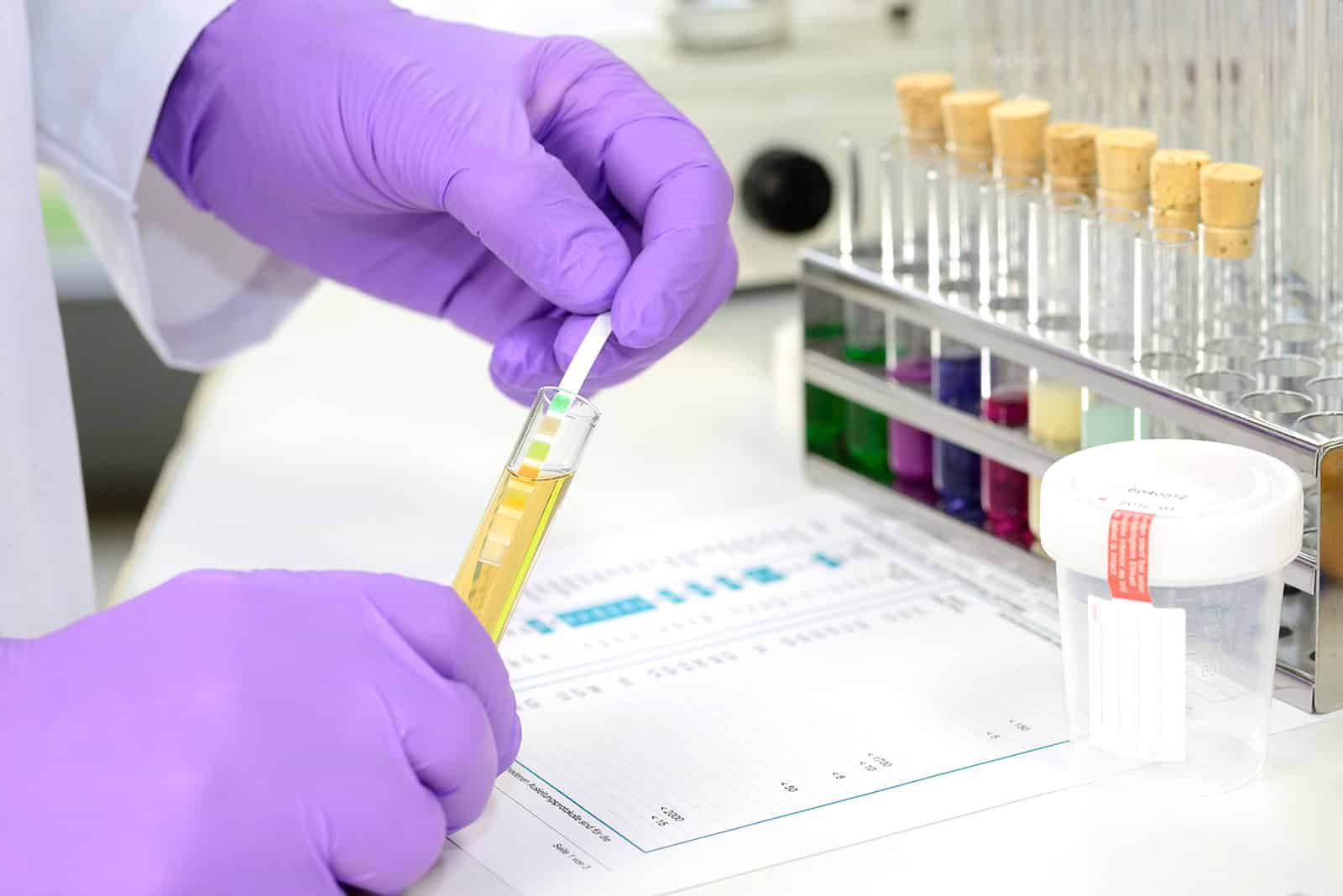
Does Drug Testing Take Place During Outpatient Rehab?
Drug testing occurs in most situations when a person attends outpatient rehab. Keep in mind, however, that each treatment program can differ in regards to drug testing and the frequency of testing. If outpatient rehab is court-ordered as part of a criminal conviction, drug testing will always be administered.
The majority of outpatient rehab programs use treatment methods that include drug testing. The reason that drug testing is necessary for outpatient treatment is because of the level of freedom available to people who enter one of these programs.
During outpatient treatment, you can still live in your own home and maintain your everyday responsibilities, which means that you may continue to have access to the drug that you’ve become addicted to. Periodic drug testing is designed to keep you accountable for your actions and help you better manage your addiction.
Benefits of Receiving Drug Testing During Rehab
Even though regular drug testing can feel somewhat invasive, there are many tangible benefits associated with it, the primary of which include:
- Makes it more likely that you will continue to abstain from drugs
- Allows you to receive a more tailored treatment plan
- Helps you maintain physical health
- Restores trust with your friends and family
- Gives you the opportunity to celebrate your ongoing success
What Occurs if You Fail Your Drug Test During Rehab?
Even when you’re in a treatment program, avoiding relapsing and taking more drugs is always going to be difficult. Drug testing is designed to help you remain free from drugs while you continue down the path to recovery. If you happen to fail a drug test, this means that you have broken one of the rules that the outpatient facility maintains. In many instances, a failed drug test will result in you being offered an option to escalate your treatment, which can involve switching to a partial hospitalization program from an intensive outpatient program.
Partial hospitalization programs usually involve 5-7 days of treatment for 7-8 hours each day. Residential treatment may be offered if you are currently enrolled in a partial hospitalization program. If you don’t agree to one of these options, you may still be allowed to attend treatment in the program you’re currently in. However, an additional failed drug test will likely result in you being asked to leave treatment.
Addiction is a disease that can affect anyone. Regardless of the severity of your addiction, it’s highly recommended that you enter a treatment program to avoid any additional consequences to your health or livelihood.
FAQ
Do IOP programs drug test?
Yes, Intensive Outpatient Programs (IOP) for substance use and addiction often include drug testing as part of their treatment protocol. The primary purposes of drug testing in such programs are to:
-
Monitor and support recovery progress: Regular drug testing helps to ensure that individuals are staying sober. It can be used as a tool for accountability and to help the treatment team assess how well the patient is adhering to their recovery plan.
-
Adjust treatment plans as needed: If a drug test comes back positive, it indicates that the individual may be struggling with sobriety. This allows the treatment team to address potential challenges directly, offer additional support, and make necessary adjustments to the treatment plan to better support the individual in their recovery journey.
-
Enhance safety: Drug testing helps to maintain a safe environment for all participants in the program. It ensures that the program is effective and that participants are not using substances that could potentially harm their recovery or that of others.
-
Compliance with legal or professional requirements: In some cases, individuals are in IOPs as part of a legal mandate or professional licensure requirement that necessitates abstinence. Drug testing, in these cases, provides a measure of compliance with those external requirements.
-
The frequency and type of drug testing can vary depending on the specific program and the individual’s treatment plan. It’s important for participants to understand the program’s policies on drug testing, including the consequences of positive tests, as part of their agreement to participate in the program.
Do outpatient rehabs test for alcohol?
Yes, outpatient rehabs often test for alcohol along with other substances. Drug and alcohol testing can be a part of the treatment and monitoring process in both outpatient and inpatient rehab settings. The purpose of these tests is to ensure that individuals are adhering to their treatment plans, which typically require abstinence from alcohol and other drugs.
The frequency and type of testing can vary depending on the specific program’s policies, the individual’s treatment plan, and other factors such as court orders or professional monitoring agreements. Some outpatient programs may conduct tests at every visit, while others may do so randomly or when substance use is suspected.
Alcohol can be detected through various types of tests, including urine tests, breath tests, and blood tests, each with different detection windows. Urine tests can detect alcohol for up to 48 hours after consumption. Breathalyzers provide immediate results regarding current blood alcohol concentration levels, and blood tests can detect alcohol for up to 12 hours after drinking.
It’s important for individuals in recovery to be aware of the testing practices of their outpatient program and to communicate openly with their treatment providers about their struggles with substance use. The goal of testing is not to punish but to support individuals in their recovery journey by identifying relapses early and adjusting treatment plans as necessary.
If you need help, reach out to a drug use rehab center or drug abuse treatment center that offers different substance use disorder and substance abuse recovery programs for your well-being, such as intensive outpatient treatment or outpatient treatment programs.
Written by: The Garden State Treatment Center Editorial Team
Published on: May 26, 2022