Watching someone you love struggle with benzodiazepines is a scary experience. They may develop destructive behaviors and frequent mood swings. Over time, they can withdraw from the family and become more secretive.
The good news is benzo addiction is treatable. Professional treatment can give your loved one a safe space to recover and address the drug addiction.
In this guide, we explore benzo addiction treatment for families in NJ. Read on for information on what benzo addiction looks like and how you can support a loved one through recovery.

About Benzodiazepine Addiction
Benzodiazepine, or benzo, is a prescription medication that doctors use to treat anxiety disorders, panic disorders, PTSD, and insomnia. It’s also prescribed for muscle spasms and seizures.
The most common benzodiazepine types include Xanax, Valium, Klonopin, Librium, and Ativan. These drugs can be life-changing when you take them as prescribed. However, they can also lead to physical dependence when misused.
Benzo addiction happens when a person develops a compulsive need to use the medication. They may start taking it more often and in larger doses than prescribed.
How Does Benzo Addiction Work?
Benzodiazepine is a medication that changes your brain chemistry. It binds to your GABA receptors, which then forces your central nervous system to slow down. As a result, muscle spasms, anxiety, and panic attacks drop.
A person taking benzodiazepine can build a tolerance for it. With prolonged use, patients may feel cravings and develop a need to procure more.
Unfortunately, the illicit benzodiazepine supply has been increasing. In 2020, prescription benzo overdose deaths rose to 21.8%, while illicit benzo overdose deaths rose by 519.6%
It’s then crucial for someone struggling with benzo addiction to get the help they need before it’s too late.
What Does Benzo Addiction Look Like?
Benzo addiction is a substance use disorder that can creep up on families. Your loved one may have started taking it as part of a prescription. Yet, their relationship with the medication can change.
Common signs of benzo addiction include:
- Changes in mood and behavior
- Problems with memory and concentration
- Taking benzos for reasons other than prescribed
- Trying to get more medication, even through illicit channels
- Withdrawing from loved ones
Understanding Your Loved One
It’s important to note that some patients can develop a physical dependence on benzodiazepines even if they’re following the prescription correctly.
From an outside perspective, it may look like your loved one is simply being stubborn. In reality, they aren’t lacking willpower. They just need professional support.
How Is Benzo Addiction Treated? Benzo Addiction Treatment in NJ
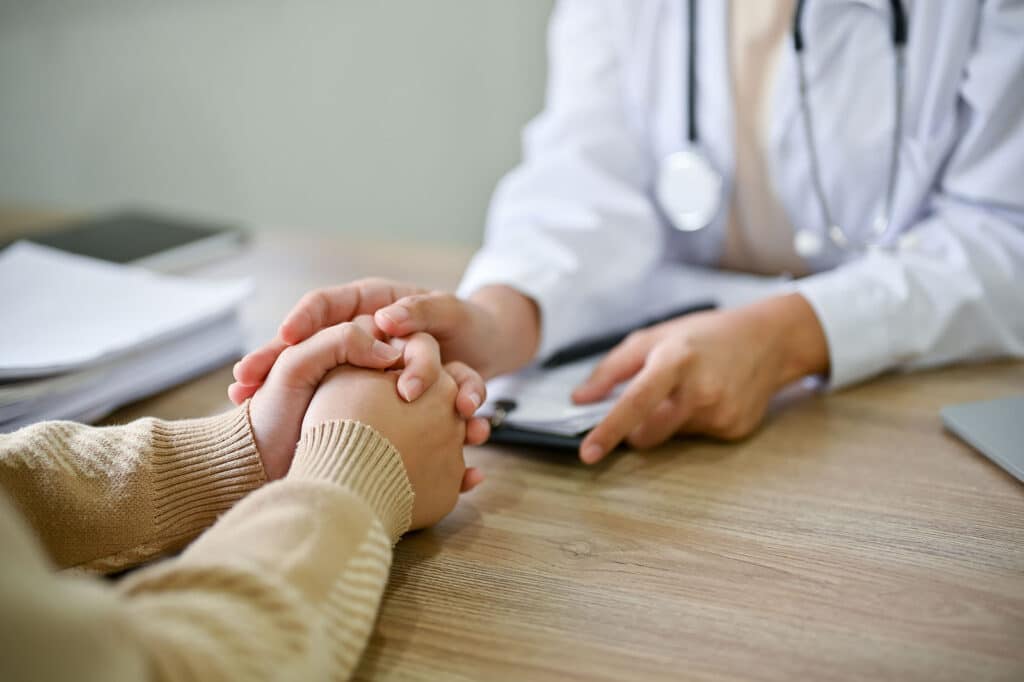
Getting help for benzo addiction may be overwhelming at first. Don’t worry. Understanding what treatment looks like is a good first step to your recovery journey.
Here’s the typical process of benzo addiction treatment in NJ.
1Admission
Admission is the process of entering a treatment program for benzo addiction. It’s here where you get the opportunity to learn about how the rehab center works.
A specialist will examine your loved one and determine the best treatment method. They may also ask about medical history and drug usage background to create an appropriate treatment plan.
You can ask the admissions team about anything, including insurance verification. Rest assured they’ll help you with payment plans to make treatment more affordable.
2Detoxification and Medication-Assisted Treatment
Stopping benzo usage can lead to a number of withdrawal symptoms. These can include anxiety, tremors, irritability, and insomnia.
A rehab center can ensure your safety throughout the whole detoxification process.
Medically supervised detox or medication-assisted treatment (MAT) uses prescription medication to ease withdrawal symptoms. With medical detox, you can have a higher chance of success.
3Evidence-Based Therapies
If detox heals the body, therapy heals the mind. It addresses the thoughts and behaviors that caused the addiction in the first place.
Therapy can give individuals the tools that they need to prevent substance use.
There are many effective therapies for benzo addiction. These include the following.
Cognitive Behavioral Therapy
CBT allows you to recognize unhealthy behaviors. It then teaches you better coping skills to stop the destructive patterns.
Dialectical Behavior Therapy
DBT teaches you how to manage intense emotions and stress. With DBT, you can develop healthier responses to stressors and triggers.
Group Therapy
Group therapy gives patients a safe space where they can open up. Others in the group all understand your situation and are here to help you through your struggles.
Family Therapy
Drug addiction can damage family relationships. Family therapy aims to repair that relationship so you can regain your support system.
Individual Counselling
Individual counselling allows a therapist to focus solely on your needs. It provides a private space to share your experiences and worries.
Holistic Therapies
Holistic therapy teaches you mindfulness and emotional wellbeing. Examples of this include yoga, wilderness therapy, or sound therapy.
4Sober Living
Returning home after treatment can be challenging for some. If you don’t have a safe space, your treatment center can recommend sober living homes.
Sober living gives you access to a structured facility that’s free from any stressors. Here, people in recovery live together as they adjust to work, school, and outside life.
Sober living is a great way to transition between treatment and independent living.
5Aftercare
You don’t have to worry about being alone once you graduate from treatment. Aftercare is the ongoing support you receive upon completing rehab.
Your treatment center should provide you with aftercare planning. Here, they will create a plan for your future goals. For instance, you may move on to outpatient care or receive occasional therapy.
The facility should also check in regularly for relapse prevention.
An advantage of going to a treatment center is that you get access to a wide network of professionals. You’ll always have the resources you need to stay on the right track.
How Long Does It Take to Treat Benzo Addiction?
Recovering from a benzo addiction is different for everyone. Those who have been taking it for longer may have lengthier recovery times.
In most cases, withdrawal symptoms start within 24 hours, and these can last for a few days to a few months.
Your doctor may start treatment by tapering you off of the drug. This can take two to four weeks. Following this, benzo addiction treatment can take months of therapy.
A treatment center should be able to help you develop a plan for recovery.
When to Seek Help Urgently
Benzo addiction should always be taken seriously. However, there are times when your loved one may require immediate medical attention.
Being aware of the warning signs can potentially save your loved one’s life. You should seek emergency help in these cases.
- Your loved one has trouble breathing. This can happen after taking counterfeit benzodiazepines or when taking benzodiazepines with alcohol or opioids.
- Your loved one is experiencing hallucinations or severe agitation.
- Your loved one loses consciousness.
- Your loved one is having negative, life-threatening thoughts and is at risk of harming themself.
- Your loved one is experiencing severe withdrawal symptoms after they stop taking benzodiazepines.
Tips for Supporting Recovery for Benzo Addiction
Recovering from benzo addiction isn’t easy. Still, you can help your loved one achieve greater success.
Below are just some ways you can offer support.
- Learn About Benzodiazepine Addiction: Understand how dependence works and never judge your loved one.
- Listen to Them: You don’t have to offer advice. Simply listening to your loved one can go a long way.
- Hold an Intervention: If your loved one refuses to seek treatment, you can get help from a professional. An interventionist can facilitate the conversation and prevent a negative reaction.
- Watch for Warning Signs: Keep your loved one safe by becoming aware of the risks of benzodiazepines.
- Celebrate Progress: Celebrating small wins can be the motivation your loved one needs.
- Maintain Your Boundaries: Lastly, never forget to take care of yourself. Supporting your loved one can be exhausting, so make sure you get additional guidance from a counsellor.
Why Get Treatment in NJ? The Importance of Location
In many cases, the location of your treatment center can affect the success of your recovery. For someone struggling with benzodiazepine addiction, having a facility close to home means you can receive more support from family.
Getting treatment in NJ removes added stress from travel. Loved ones can visit more easily, and you may even continue work or school.
Not only that, being in a familiar place will help you feel more comfortable as you undergo treatment. By receiving addiction treatment in NJ, you get better access to aftercare, counseling, and support groups.

Garden State Treatment Center for Benzo Addiction Treatment in NJ
Garden State Treatment Center is a top-rated drug and alcohol rehab in New Jersey. Recognized by the Joint Commission, Garden State Treatment Center offers the highest quality care for someone struggling with benzo addiction.
Recovering from benzo addiction can be quite risky. Garden State Treatment Center is here to help you through the following.
- Safe Recovery: Benzo withdrawal can cause seizures in otherwise healthy adults. We ensure your safety and prevent life-threatening symptoms.
- Individualized Treatment: We tailor treatment plans for each of our patients. This means we address your personal situation for the best chances of success.
- Therapies: Garden State Treatment Center only uses evidence-based therapies. We’ll help you unpack any traumas and equip you with the tools you need to recover.
- Co-Occurring Disorders: Our facility is equipped to treat those struggling with both addiction and a mental health disorder. If you have PTSD, anxiety, or depression, our program can help.
- Aftercare: Our friendly staff continuously checks in on all graduates. We genuinely care for your well-being and want you to achieve success in life.
Our Other Services
Garden State Treatment Center offers complete services when it comes to recovering from benzo addiction.
Here are other services that can support your healing.
Partial Care Program
In our partial care program, you can receive counseling and therapy in a home-like environment. This is a short-term program that allows you to split your time between treatment and home life.
Intensive Outpatient Program (IOP)
IOP is a step above basic outpatient care. You’ll receive 9 hours of treatment per week for optimal therapeutic benefit.
Evening IOP
Having other commitments should never get in the way of treatment. Evening IOP gives you a flexible schedule and better access to our facilities.
Outpatient Care
Outpatient care provides patients with evidence-based treatment even without staying at the rehab center. Outpatient care allows for extended support for lasting recovery.
FAQs
Can You Suddenly Stop Taking Benzodiazepines?
No. Going cold turkey on benzodiazepines is never safe. Even healthy adults may experience hallucinations and life-threatening seizures. It’s best to approach a medical professional for advice on how to stop benzodiazepine addiction.
What Is the Risk of Becoming Addicted to Benzodiazepines?
Benzodiazepines have a high potential for physical dependence and addiction. Once you become addicted, you may experience severe withdrawal symptoms upon stopping.
Addiction also leads to compulsive use, which puts you at risk of an overdose.
Where Can I Find Benzo Addiction Treatment in NJ?
Garden State Treatment Center is a top-rated drug and alcohol rehab center in New Jersey. Located at 350 Sparta Ave, Sparta Township, we ensure you get the most accessible and effective treatment in NJ.
Conclusion: Benzo Addiction Treatment in NJ
Seeing your loved one struggle with benzo addiction is incredibly difficult. Yet, they can recover with your support.
Garden State Treatment Center is here to help you take that first step. Our friendly staff is happy to answer all of your questions.
Reach out to Garden State Treatment Center to learn more about our specialized treatments and benzo addiction program!