


Roxy is the street name for the drug known Roxicodone. Its generic and better-known name is Oxycodone. This drug is a semi-synthetic opioid medication commonly proscribed to treat moderate to severe pain in a person. Because of its highly addictive nature, Roxy is a schedule II drug. Roxicodone does contain the same active ingredient as OxyContin; it is manufactured to be an immediate-release tablet. This makes it an even bigger target for abuse and addiction.
What is the drug called Roxy?
The nickname Roxy is a pretty obvious one. But it also goes by other nicknames. Some call it “blues” because the tablets are blue in color. They are also called “thirties” because they come in a 30-milligram dose. When Roxy’s are abused, they are generally swallowed or crushed up. Some people even choose to snort or smoke it even though the effects do not last as long on the body, but the high is more intense.
Opioids, like Roxy’s, and addiction to them are ravaging throughout the country at an alarming rate. Everything is being done to combat this crisis, but more and more people are dying every year due to opioid overdose deaths. The CDC reported that nearly 49,000 people died from opioids alone in 2018 alone. This includes overdoses involving Roxy’s. They are one of the most potent opioids available, and abusing them should not be taken lightly because your chances of death are genuine.
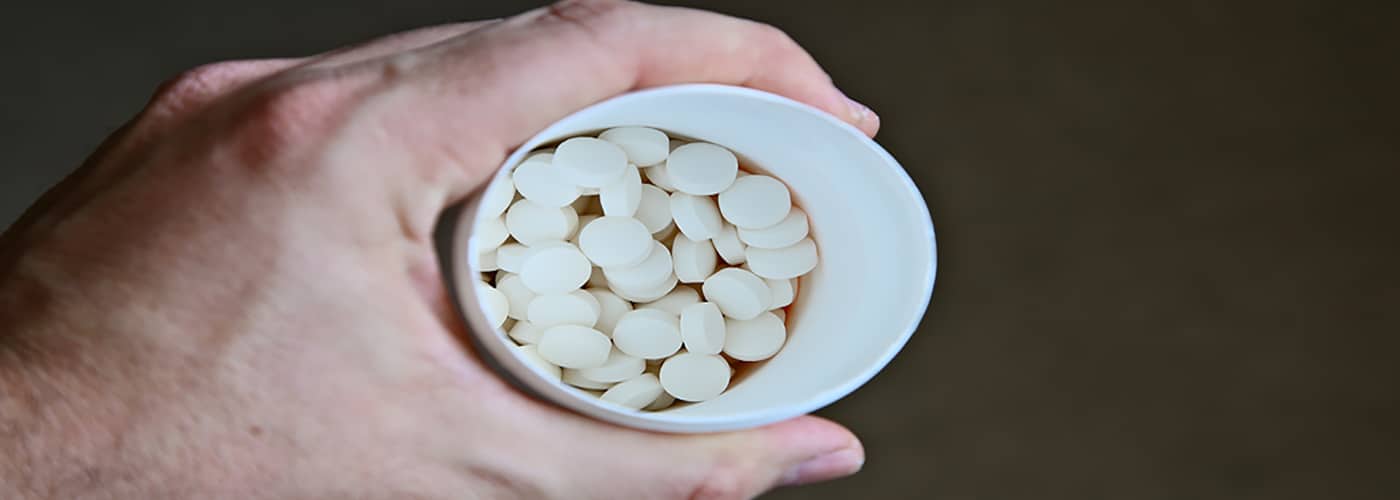
How Roxy Work on the Body
Roxy’s are opioids. They work by attaching to the opioid receptors in your brain after they are taken to block pain. This also will create a euphoric, calm, feel-good high in the body that is very common with all opioid medications or drugs. Roxy’s are semi-synthetic, which is specifically meant as a pain-killing drug. It partially originated from the opium poppy plant and is chemically manufactured, making it both natural and synthetic. To help you understand the dangers of Roxy abuse, oxycodone and heroin are both opioids that act on the same receptors in the brain, which is why Roxy misuse carries risks similar to heroin use, including tolerance, dependence, and overdose. They are distinct chemical compounds, however: Roxy is not a form of heroin. The key practical difference is that Roxicodone is a pharmaceutical product with a known dose and purity when taken as prescribed, while counterfeit ‘Roxy’ pills sold on the street are frequently pressed with fentanyl, making them far more dangerous than they appear.
Roxicodone is Roxy
Roxicodone addiction is guaranteed when you abuse it. There are no ifs, and, or buts about it. They are highly addictive and potent. No matter the length of time you have been using this drug, you are probably already hooked on it, even if you don’t know it yet. It only takes one time of feeling the high from Roxy’s to become mentally addicted to it, and after only a few users, will you become physically addicted. Physical addiction happens when your body gets so used to having the drug in your system that it no longer knows how to function correctly without it. Your body will crave it, and as time progresses, you will need more and more to feel “normal.” If you don’t feed this craving in time or give it enough, you will experience withdrawal.
Getting Through Opioid Withdrawal Safely
Opioid withdrawal is excruciating and one of, if not the hardest, drugs to withdrawal from. Many people will tell you, myself included, that trying to go through withdrawal and detox on your own will be unsuccessful. Withdrawal symptoms can include fever, sweats, extreme body aches, tremors, anxiety, insomnia, vomiting, and diarrhea. Opioid withdrawal is rarely life-threatening on its own, but it is intensely uncomfortable, and severe vomiting and diarrhea can cause dangerous dehydration. The greater danger is that withdrawal drives relapse at a moment when tolerance has dropped, which sharply raises the risk of fatal overdose. Medically supervised withdrawal management makes the process safer and far more tolerable. When you are ready to quit using Roxy’s, you will have the most success if you participate in a medically assisted detox.
Tens of thousands of people die from opioids every year. They all thought they could handle Roxy’s too, but the Roxy’s always win. If you want to choose life and stop the cycle of addiction, help is available for you no matter how hopeless you feel.
FAQs
What are Roxy's?
“Roxy” is a street name for the prescription drug Roxicodone, which is a brand name for oxycodone hydrochloride. Oxycodone is a powerful opioid medication that is used to treat moderate to severe pain.
Roxicodone comes in tablet form and is meant to be taken orally. Like other opioids, it works by changing the way the brain and nervous system respond to pain.
However, because it is a potent opioid, Roxicodone has a high risk for abuse and dependence. Misuse of this drug can lead to serious health issues including overdose and death. In many places, it’s only available by prescription, and its use is closely monitored by medical professionals.
If you’re asking about Roxy’s in the context of non-prescription or recreational use, it’s important to note that this is illegal and highly dangerous. Even under medical supervision, oxycodone carries significant risks, and these risks are greatly amplified when the drug is misused.
What does someone mean when they say "roxy drug"?
When someone refers to a “roxy” in the context of drugs, they are most likely referring to the prescription drug Roxicodone. Roxicodone is a brand name for the drug oxycodone, which is a powerful opioid medication used to treat severe pain.
“Roxy” or “roxies” are street names for this drug, which, unfortunately, is often misused illegally. Misuse can involve crushing and snorting or injecting the medication, or simply taking higher doses than prescribed. Such misuse is dangerous and can lead to serious side effects, including dependency, overdose, and even death.
Like all opioids, Roxicodone has a high potential for addiction, particularly when it’s used in ways other than prescribed. Long-term use can lead to physical dependence, meaning that the body adapts to the drug and requires it to prevent withdrawal symptoms.
It’s crucial to use prescription medications only as directed by a healthcare provider. Misuse of drugs like Roxicodone not only poses serious health risks but is also illegal. If you suspect someone is misusing opioids, it’s important to encourage them to seek professional help.
Written by: The Garden State Treatment Center Editorial Team
Published on: April 7, 2021