Benadryl (diphenhydramine) is a common, over-the-counter allergy medication that can cause drowsiness at recommended doses. However, misuse of Benadryl — such as taking far more than directed — is extremely dangerous and has led to serious health emergencies. The U.S. Food and Drug Administration has issued warnings about Benadryl abuse, particularly among teenagers and young adults, because of the severe risks involved.
TL;DR – Misusing Benadryl in large amounts is dangerous and can cause life-threatening health problems, not a “safe high.” The amount of Benadryl needed to experience hallucinations is dangerously close to a lethal dose—there is no safe margin for experimentation.

The FDA confirms that taking significantly more than 25 mg of Benadryl at one time leads to seizures, coma, serious heart problems, and overdose-related death. Those who take the medication in large amounts hoping to feel some level of euphoria are doing a significant amount of harm to their physical bodies – and sometimes this harm is irreparable. If you know someone who has been abusing Benadryl, seeking professional help is necessary to prevent serious issues from occurring down the road.
FDA Warning: Taking higher than recommended doses of diphenhydramine (Benadryl) can lead to serious heart problems, seizures, coma, or even death.
How Benadryl Works (and Why Misuse Is Dangerous)
Benadryl, the brand name for diphenhydramine, is an antihistamine. It works by blocking histamine, a chemical your body releases during allergic reactions that causes sneezing, runny nose, and itchy eyes. While safe when used as directed for allergy medicine or as a mild sleep aid, taking too much Benadryl can cause confusion, hallucinations, and other dangerous side effects.
Is 75 mg of Benadryl too much?
Safe Dosing vs. Dangerous Doses
For most adults and teens, the recommended diphenhydramine dosage is 25 to 50 mg every 4 to 6 hours, with a maximum of 300 mg in 24 hours. A 75 mg dose exceeds the recommended adult single dose of 25 to 50 mg and should not be considered safe. Taking more than the labeled dose increases the risk of pronounced drowsiness, dizziness, impaired coordination, confusion, and anticholinergic effects like blurred vision and rapid heartbeat. Always follow the package directions, and talk to a doctor or pharmacist before taking more. However, the real danger begins when people intentionally take excessive amounts far beyond medical recommendations.
Medical experts emphasize that any attempt to misuse Benadryl for its mind-altering effects is extremely dangerous because individual responses vary unpredictably. Factors like body weight, metabolism, other medications, and underlying health conditions make it impossible to predict a “safe” amount for abuse—and there is no such thing as a safe recreational dose.
Taking more than the recommended amount can cause serious complications at any dose, including:
- Severe drowsiness and dangerous confusion
- Rapid or irregular heartbeat
- Dangerously high body temperature
- Urinary retention
- Extreme dry mouth and eyes
- Seizures and loss of consciousness
According to poison control data, the margin between doses that cause hallucinations and doses that cause life-threatening medical emergencies is extremely narrow—so narrow that attempting to achieve any psychoactive effect puts someone at immediate risk of overdose.
Can Benadryl Get You High?
Some people mistakenly think that taking very high doses of Benadryl will produce euphoria. In reality, misusing this medication does not create a safe or enjoyable effect — instead, it causes dangerous sedation, confusion, hallucinations, and in some cases, life-threatening complications. Misuse can also quickly lead to hospitalization.
Signs of Benadryl Overdose:
- Extreme drowsiness or inability to wake
- Confusion, agitation, or delirium
- Hallucinations (seeing or hearing things)
- Dilated pupils and blurred vision
- Flushed, hot skin
- Dry mouth and inability to urinate
- Rapid or irregular heartbeat
- Seizures
- Loss of consciousness
Dangers of Mixing Benadryl With Other Substances
Mixing Benadryl with other substances, including alcohol, greatly increases the risk of overdose and death. Combining sedatives can suppress breathing, impair heart function, and cause extreme disorientation. If you are worried about someone misusing Benadryl or other medications, it is important to seek professional help immediately.
Diphenhydramine Is in More Than Just Benadryl
Many people don’t realize that diphenhydramine, the active ingredient in Benadryl, is also found in dozens of other over-the-counter products. Common brands that contain diphenhydramine include ZzzQuil, Tylenol PM, Advil PM, Aleve PM, and numerous store-brand sleep aids and allergy medications. This means someone could unintentionally take dangerous amounts of diphenhydramine by combining products without checking the active ingredients. It also means that misuse isn’t limited to the Benadryl brand itself, any product containing diphenhydramine carries the same risks when taken in excessive amounts. Always read the drug facts label on any OTC medication before taking it, and never combine products that share the same active ingredient.
Long-Term Effects of Diphenhydramine Abuse
While a single episode of Benadryl misuse can cause immediate, life-threatening complications, repeated abuse carries its own set of serious long-term health risks. Chronic diphenhydramine misuse has been linked to lasting cognitive impairment, including problems with memory, attention, and decision-making. Some research suggests a connection between long-term anticholinergic use and an increased risk of dementia.
Ongoing misuse can also cause damage to the liver and kidneys, which are responsible for metabolizing and filtering the drug from the body. Over time, the body can develop a tolerance to diphenhydramine, meaning higher and higher doses are needed to achieve the same effect — pushing users closer to overdose territory with each use. Physical dependence can also develop, leading to withdrawal symptoms like insomnia, anxiety, and nausea when the drug is stopped. These compounding risks make it critical to seek professional help early if Benadryl misuse becomes a pattern.
Risks of High Doses and Social Media Challenges
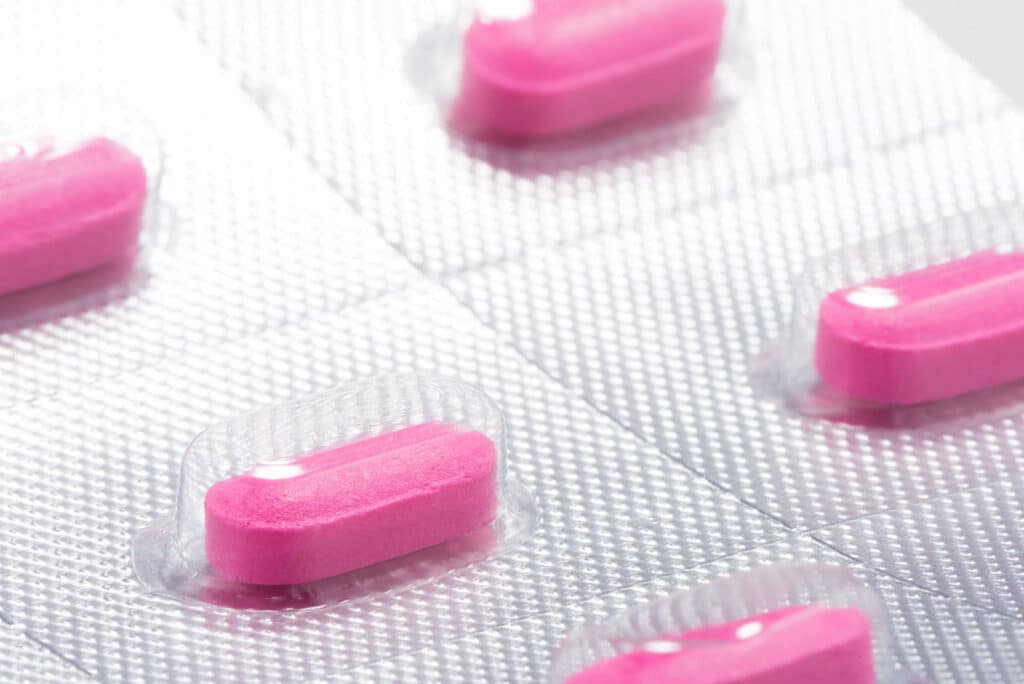
In recent years, dangerous fads like the “Benadryl Challenge” on TikTok and other social media platforms have encouraged young people to take large amounts of this medication. High doses can lead to diphenhydramine overdose, with symptoms including hallucinations, rapid heart rate, changes in blood pressure, severe dry mouth, and in extreme cases, death. Hospitals report rising visits to emergency rooms linked to Benadryl overdose from these trends.
How to Protect Your Teen
- Store all OTC medications in a locked location
- Monitor social media for dangerous trends
- Talk openly about the risks without judgment
- Know the signs: missing pills, disorientation, flushed skin
- Save Poison Control: 1-800-222-1222 | poison.org
What to Do During a Benadryl Overdose
If you suspect someone has taken a dangerous amount of Benadryl, act immediately. Call 911 or Poison Control (1-800-222-1222) right away. While waiting for emergency responders to arrive:
- Stay with the person and keep them calm
- If they are unconscious or vomiting, turn them on their side to prevent choking
- Do not try to induce vomiting unless specifically instructed by a medical professional
- Do not give them food, water, or other medications
- If possible, note how many pills were taken and when, and have the bottle or packaging ready to show first responders
Time is critical during a diphenhydramine overdose. Even if the person seems stable, internal complications like irregular heartbeat or organ stress may not be immediately visible. Always err on the side of seeking emergency medical attention.
When to Seek Help
If you or a loved one has taken too much Benadryl, seek medical attention immediately. Call Poison Control or go directly to the ER. According to MedlinePlus, Benadryl misuse is considered as dangerous as other prescription drugs or even opioids when it comes to risk of overdose. For long-term recovery, professional treatment services can help address underlying mental health and substance abuse issues.
Emergency Steps
If someone has taken excessive Benadryl:
- Call Poison Control immediately: 1-800-222-1222 (24/7)
- Or text POISON to 797979
- If unconscious, having seizures, or trouble breathing: Call 911
- Do not wait for symptoms to worsen
Get free, expert guidance at poison.org
Addiction Recovery at Garden State Treatment Center
At Garden State Treatment Center, we serve men and women of all ages throughout the state of New Jersey and all surrounding areas. We treat substance abuse and dependence disorders of all kinds, from severe addiction involving life-threatening illicit substances like heroin or methamphetamine to dangerous and readily accessible substances like over-the-counter allergy medications like Benadryl. Because addiction is a progressive disease, it is not uncommon for individuals who abuse chemical substances like Benadryl to eventually progress to abusing more dangerous illicit substances. When it comes to substance abuse, it is always better to reach out for help before it is too late. If you have been suffering at the hands of a substance abuse disorder of any type of severity, we are available to help.
Our carefully developed program of addiction recovery was formulated by an experienced team of professionals, including licensed therapists, psychiatrists, addiction specialists, medical doctors, and prescribing physicians. Regardless of what substance you were actively abusing, our comprehensive recovery program will undeniably help you overcome addiction once and for all and go on to lead a happy and fulfilling life. To learn more about our recovery program or to get started on your journey of recovery, please feel free to give us a call at any point in time.
FAQs
Is misusing Benadryl dangerous?
Why do some people misuse Benadryl?
What should I do if I or someone I know is misusing Benadryl?
Disclaimer: This article is for informational purposes only and should not replace medical advice from a licensed professional or health care provider.
Written by: The Garden State Treatment Center Editorial Team
Published on: October 4, 2020
Updated on: September 21, 2026