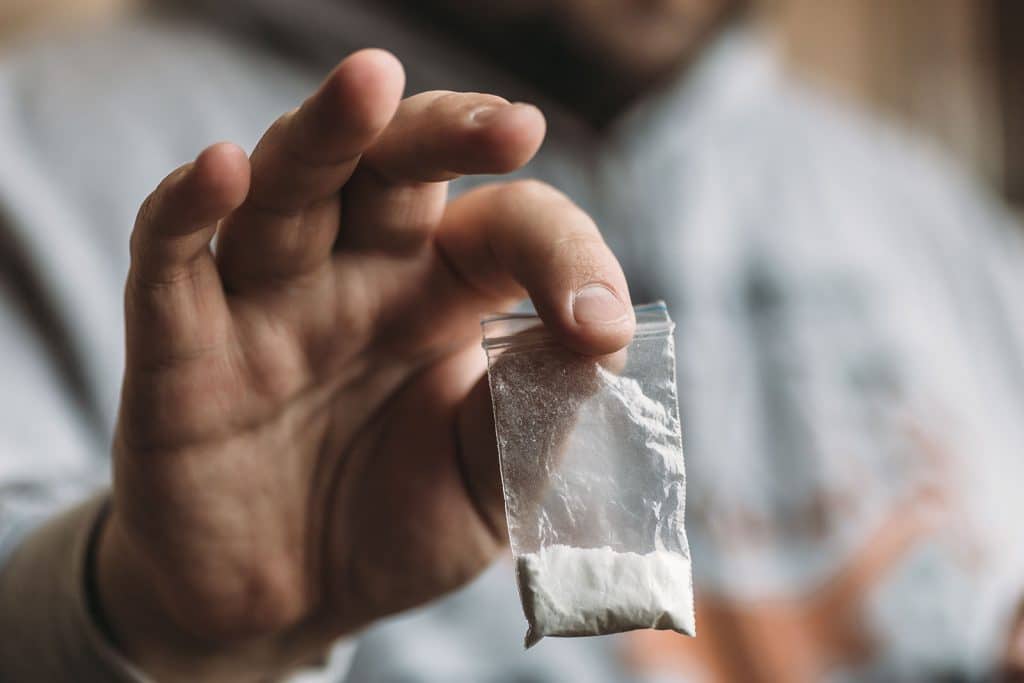
Cocaine is a Schedule II stimulant derived from the coca leaf, meaning it has a high potential for abuse and addiction. As a street drug, it typically appears as a white powder that dealers often cut with adulterants like cornstarch, talcum powder, baking soda, or other chemicals — substances that can make nasal irritation even worse.
Below, we explain exactly why cocaine burns the nose, what happens to nasal tissue over time, how to recognize the signs of damage, and what you can do if you or someone you know is affected.

Why Does Cocaine Burn Your Nose?
The burning sensation from snorting cocaine has several causes working together:
- Chemical irritation. Cocaine is typically acidic. When it contacts the nasal mucosa — the delicate, moist tissue lining the inside of the nose — cocaine causes immediate chemical irritation. Unlike skin, nasal mucosa is thin and highly sensitive, making it especially vulnerable.
- Physical abrasion. Cocaine powder consists of small crystals with rough, jagged edges. The act of snorting pulls these crystals across the lining of the nose, scratching and irritating the tissue on contact.
- Vasoconstriction. Cocaine constricts blood vessels in the nose, dramatically reducing blood flow and oxygen supply to the surrounding tissue. This restricted circulation is what causes numbness after the initial burn — and it’s also what leads to tissue death with repeated use.
- Adulterants and cutting agents. Street cocaine is almost always mixed with other substances. Levamisole (a veterinary dewormer), caffeine, local anesthetics like lidocaine, and various powders each introduce their own irritants that compound the damage to nasal passages.
Many users report that the burning sensation fades quickly as numbness sets in. This is because cocaine is a local anesthetic — it blocks nerve signals in the tissue it contacts. The numbness then spreads from the nostrils through the nasal cavity and down the throat. However, the absence of pain does not mean the damage has stopped. The tissue continues to suffer from reduced blood flow even after the burning subsides.
Short-Term Side Effects of Snorting Cocaine
When cocaine is snorted, it coats the nasal tissues and absorbs into the bloodstream. The high from snorting takes slightly longer to onset compared to smoking or injection, but it also lasts longer — typically around 15 to 30 minutes. During and after use, short-term effects can include:
- Euphoria, increased energy, and heightened alertness
- Elevated heart rate and blood pressure
- Dilated pupils and increased sensitivity to light, sound, and touch
- Decreased appetite
- Runny nose or nasal congestion
- Nosebleeds
- Burning, stinging, or dryness inside the nose
- Headaches
- Anxiety, restlessness, or irritability during the comedown
- Sweating, body aches, and exhaustion after the effects wear off
Even occasional use can cause irritation to the nasal mucous membranes, minor nosebleeds, and inflammation of the nasal passages.

Anonymous User Feedback
Long-Term Nasal Damage From Cocaine Abuse
With continued use, the short-term irritation from cocaine escalates into progressive, potentially permanent nose damage. This is commonly referred to as cocaine nose or coke nose .
Nasal Septum Perforation
One of the most serious long-term consequences is septal perforation — a hole that develops in the nasal septum, the wall of cartilage and tissue dividing the two nostrils. Here’s how it happens:
- Chronic vasoconstriction starves the septal lining of blood and oxygen.
- The tissue lining begins to die (necrosis).
- Without living tissue to support it, the underlying cartilage loses its blood supply and also dies.
- A hole forms through the septum.
Once a septal perforation occurs, it will not heal on its own. Surgical repair — typically performed by an ENT (ear, nose, and throat) specialist — may be required to close the perforation and restore nasal function.
Other Long-Term Complications
Beyond perforation, long-term cocaine use can cause a range of nasal and sinus complications:
- Chronic nosebleeds that become more frequent and harder to control
- Crusting and scabbing inside the nasal passages
- Chronic nasal congestion that doesn’t respond to typical remedies
- Loss of smell (anosmia) due to damage to the olfactory nerves
- Recurrent sinus infections from compromised nasal tissue and impaired drainage
- Whistling sound when breathing — a hallmark sign of septal perforation
- Changes in nasal appearance, including visible collapse or asymmetry
- Saddle nose deformity — a collapse of the nasal bridge that occurs when the supporting cartilage structure is destroyed
- Facial pain and sinus pressure from chronic inflammation
- Bad breath or foul odor from necrotic tissue or chronic infection
How Do I Know If I Have Nasal Damage From Cocaine?
Many cocaine users are unaware of developing nasal damage because early signs often mimic common conditions like allergies or a cold. Watch for these warning signs:
- Frequent or worsening nosebleeds
- Persistent crusting or scabbing inside the nose
- Difficulty breathing through one or both nostrils
- A whistling sound when you inhale or exhale through the nose
- Decreased sense of smell or taste
- Visible sores or holes inside the nostrils
- A change in the shape or appearance of the nose
If you notice any of these symptoms, it’s important to see a doctor as soon as possible. Early intervention can prevent further damage and improve treatment outcomes.
Relief and Care for Nasal Damage
If you’re experiencing nasal irritation, soreness, or damage, there are steps you can take to relieve symptoms and protect the tissue from worsening — whether you’re actively working toward quitting or aren’t there yet.
Saline Sprays and Rinses
Using a saline nasal spray or a neti pot rinse can help wash irritants off the nasal mucosa, reduce crusting, and keep the nasal passages moisturized. Saline rinses are available over the counter at any pharmacy and are one of the simplest ways to care for irritated nasal tissue.
Petroleum Jelly and Nasal Lubricants
Applying a thin layer of petroleum jelly (Vaseline) or a dedicated nasal lubricant just inside the edge of the nostrils can help protect irritated tissues from drying out and cracking further. This creates a moisture barrier that supports the healing of damaged mucosa.
Topical Treatments
For inflammation or minor infections, a doctor may recommend topical antibiotics or medicated ointments to prevent infection in damaged tissue. Over-the-counter options containing aloe vera or hydrocortisone can provide temporary relief for external redness and irritation, though it’s best to consult a healthcare professional before using new products on damaged tissue.
Avoid Further Irritation
- Stop or reduce cocaine use — this is the single most important step for allowing nasal tissue to heal.
- Avoid picking, scratching, or blowing the nose aggressively.
- Use a humidifier to keep indoor air moist, especially during winter.
- Stay hydrated — adequate water intake supports overall tissue health.
- Avoid environmental irritants like cigarette smoke, strong fragrances, and chemical fumes.
When to See a Doctor
If you experience persistent nosebleeds, difficulty breathing through the nose, visible sores, a whistling sound when breathing, or any signs of infection (fever, green/yellow discharge, worsening facial pain), seek medical attention. An ENT specialist can evaluate the extent of damage using a nasal endoscopy and recommend appropriate treatment.
Being honest with your doctor is important. Healthcare professionals are bound by HIPAA and patient-doctor confidentiality. Your disclosure about cocaine use is private and protected — doctors are not obligated to report drug use to law enforcement. Being open allows your physician to document concerns accurately and provide the safest, most effective treatment.

Treatment Options for Cocaine-Related Nasal Damage
For those with significant nasal damage, medical treatment may include:
- Medications. Antibiotics for sinus infections, nasal steroid sprays to reduce inflammation, and prescription nasal rinses to support healing.
- ENT consultation. An ear, nose, and throat specialist can assess the extent of damage, perform endoscopic examination, and recommend a treatment plan.
- Surgical repair. For septal perforation, saddle nose, or nasal collapse, surgery may be necessary. Procedures can include septal perforation repair, rhinoplasty, or nasal reconstruction. However, continued cocaine use will undermine healing and can cause surgical repairs to fail.
- Addiction treatment. Addressing the root cause — cocaine use — is essential for any nasal treatment to succeed long-term.
The earlier you seek help, the better the outcomes. The nose and sinus structures are delicate, and the longer damage goes untreated, the harder it becomes to repair.
Medical and Slang Terms for Cocaine Nose
If you’re researching this topic, you may encounter these related terms:
| Term | Meaning |
|---|---|
| Cocaine nose / Coke nose | Informal terms for cocaine-related nasal damage |
| Nasal septum damage | Clinical term for tissue injury between the nostrils |
| Perforated septum / Nasal perforation | A hole in the nasal septum from tissue loss |
| Saddle nose / Collapsed nose | Severe nasal bridge collapse from long-term use |
| Cocaine-induced nasal perforation | Medical terminology used in clinical literature |
| Coke nostril | Slang for a visibly damaged or inflamed nostril |
| Snorting damage | General term for harm caused by intranasal drug use |

Get Help for Drug Addiction
Cocaine addiction treatment requires a multi-layered approach for the best chance at lasting recovery. At Garden State Treatment Center, we provide individualized treatment programs that address both the addiction and its physical consequences — including nasal damage.
Our treatment options include:
- Medical detox with 24/7 supervision
- Individual and group therapy
- Evidence-based approaches tailored to each person’s needs
- Support for co-occurring mental health conditions
- Aftercare planning for long-term recovery
You don’t have to face cocaine addiction alone. Our admissions counselors are available around the clock to help you or a loved one take the first step. Call our helpline today.
FAQ
Is cocaine supposed to burn your nose?
Can nasal damage from cocaine be reversed?
What should I tell my doctor if cocaine is damaging my nose?
Written by: The Garden State Treatment Center Editorial Team
Published on: November 20, 2020
Updated on: February 12, 2026